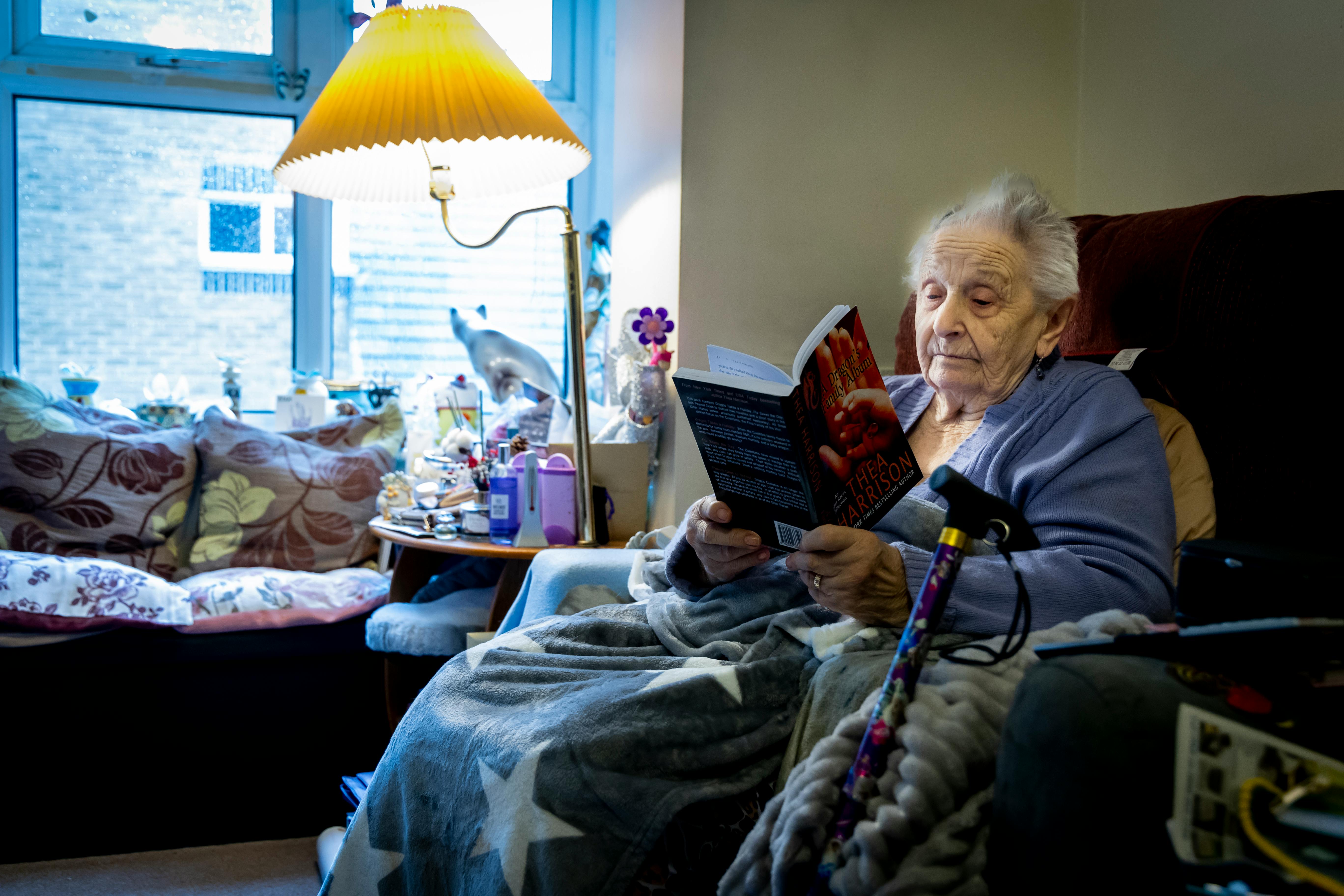
Illustrative image. Photographs of this home have not yet been added.
Rose Cottage Rest Home
Residential Care
19 June 2026
Mrs Nicola Schofield
17 beds
How this home compares nearby
Of 24 care homes for older people within 5 miles, none are rated higher by CQC, 17 are the same and 7 are lower.
22 of these nearby homes have been inspected more recently than this one.
Based on CQC ratings, updated 23 October 2026. How we compare homes | See the nearby homes
Rating history
- Jan 2015
- Feb 2017
- Sept 2019
- Jul 2026
Rated Good at every inspection since 2015.
Source: CQC inspection reports. Contains CQC data licensed under the Open Government Licence v3.0.
Costs and who runs this home
This is the only care home Mrs Nicola Schofield runs in England.
Average care home fees in the East Midlands: £958 a week for residential care and £1,250 for nursing care (2024-25 averages). Self-funders usually pay more. See our care home costs guide.
- How to pay for a care home explains the council means test, what counts as capital and the funding you can ask to be assessed for.
About Rose Cottage Rest Home
Rose Cottage Rest Home is a residential care home located in Leicestershire, East Midlands. Its registered care categories include older people, sensory impairments, and younger adults. The home has 17 beds. CQC records an overall rating of Good, published in July 2026. The home is operated by Mrs Nicola Schofield.
Specialist Care
Fees and availability
We have not verified a current weekly fee for this home. Ask for a written quote based on the room and care needed, including any extra charges.
Check current vacancies, the admission assessment and visiting arrangements directly with the home.
Care and inspection details
Checked against the CQC register on 21 September 2026. This is a check of published information, not a visit to the home.
- Registered service
- Care home service without nursing
- Registered capacity
- 17 places — this is not a vacancy count
- Registration checked
- Registered · LE12 7JX
Registered care categories
Caring for adults over 65 yrs; Caring for adults under 65 yrs; Sensory impairment.
These describe the registration. The home must assess whether it can meet the individual person's needs and whether a place is available.
CQC ratings in more detail
Overall rating shown by CQC: .
Assessment published 17 July 2026. Assessment date recorded: 19 June 2026.
Read CQC's assessment overview
The following is CQC's published account of its assessment, published 17 July 2026. References to “we” mean CQC. It describes findings at that time.
We carried out this assessment on 6 July 2026. This service was previously rated as good. We carried out this assessment to confirm whether the rating of good remains accurate. This report does not provide detailed information on areas where we found practice continues to meet a good standard. Instead, our findings focus on any areas where the service needs to improve or where we found exceptional practice.
People received care from staff who were kind, caring and knew them well. During our inspection, we observed positive and respectful interactions between staff and people. People were listened to, involved in daily decisions and supported in a way that promoted their independence and wellbeing. Staff responded promptly when people needed support and created a relaxed and friendly atmosphere, with laughter and meaningful engagement evident throughout the day.
Staff demonstrated a good understanding of person-centred care and spoke passionately about supporting people as individuals. One staff member told us they always tried to build a relationship with people by finding out what they liked and disliked and understanding "Who they are." Staff described how they tailored support around people's preferences and choices, including supporting people to enjoy activities and routines that were important to them. Another staff member explained person-centred care meant “Ensuring people remained at the centre of all decisions and that their individual preferences were respected.” Staff also recognised the importance of promoting independence and encouraging people to remain as active and engaged as possible. For example, staff explained how they encouraged people to walk short distances where appropriate, while ensuring additional support was available if needed. This helped people maintain their mobility, independence and overall wellbeing.
Staff demonstrated a compassionate understanding of how to support people living with dementia. They described using reassurance, distraction and personalised approaches to reduce distress and support people's wellbeing. People's needs were assessed before they moved into the service and staff told us effective handovers took place throughout the day to ensure changes in people's needs were shared and responded to appropriately.
Staff understood their safeguarding responsibilities and were able to clearly describe how they would recognise, report and escalate concerns, including concerns involving colleagues or managers. Staff also completed fire safety training and drills and were confident in the procedures to follow in the event of an emergency.
People can only be deprived of their liberty to receive care and treatment with appropriate legal authority. In care homes, this can be done through a procedure called the Deprivation of Liberty Safeguards (DoLS), which is part of the Mental Capacity Act 2005 (MCA). We checked whether the service was working within the principles of the MCA and how they managed DoLS within the service. We found that staff and management worked within the MCA. DoLS authorisations were appropriately applied for and overseen. People were not subject to unlawful or excessive restrictions they had choice, control and freedom over their lives.
Feedback from professionals was positive. One professional told us they would have "No hesitation" in a family member receiving care at the service and said staff "Went above and beyond" for people.
There was a positive and caring culture within the service; however, some improvements were needed to ensure systems and processes consistently supported safe and effective care. Staff had access to a range of training; however, this was not always aligned to the specific needs of people using the service. We identified gaps in training relating to Parkinson's disease and not all staff had completed training relevant to the needs of people they supported, positive behaviour support and diabetes care. The provider had assured us training would be completed by staff by September 2026.
Some aspects of medicines management required improvement. We found inconsistencies in the administration of time-critical medicines, some staff did not have sufficient knowledge of specific administration requirements, and records did not always demonstrate robust arrangements where people chose to take medicines independently. We also identified issues relating to the management of prescribed pain-relief patches. Following the inspection, the registered manager provided assurances action had been taken to address the issues identified and strengthen medicines management practices.
Although the provider had a shared vision for the service and had taken action to address previously identified staffing concerns, governance systems had not always been effective in identifying and addressing issues relating to medicines management, incident oversight and staff training. As a result, some quality assurance processes required further strengthening to ensure risks and areas for improvement were consistently identified, monitored and acted upon in a timely manner. However, the provider welcomed the feedback provided during the inspection and recognised opportunities to strengthen their oversight. The provider acted positively on this feedback and were committed to further improving the quality and consistency of the service. They will continue to update us on implementation of improved systems.
- Safe
- Effective
- Caring
- Responsive
- Well-led
Contains Care Quality Commission information under the Open Government Licence v3.0. Ratings and registration details can change after the date checked.
5 Questions to Ask on Your Visit
When visiting Rose Cottage Rest Home, consider asking...
- 1.What happens if my relative's care needs increase significantly -- will they have to move?
- 2.How do you handle concerns or complaints from families?
- 3.What does the monthly fee cover and what will cost extra?
- 4.How do you keep families informed about their relative's day-to-day wellbeing?
- 5.What happens if my relative is unhappy here?
5 Things to Look For on Your Visit
When you visit Rose Cottage Rest Home, look out for...
- 1.Do staff greet residents by name and stop to chat?
- 2.Are residents dressed, up and occupied, or sitting alone in front of a TV?
- 3.Does the home smell fresh and feel clean without being clinical?
- 4.Do residents look comfortable and at ease, or anxious and withdrawn?
- 5.Does the manager answer your questions openly or deflect?
Could the NHS fund Rose Cottage Rest Home's fees?
The average nursing home costs £1,535 per week. That's £79,820 a year. NHS Continuing Healthcare could cover all of it. No means test, no contribution from you.
Location
136 Rothley Road, Mountsorrel, Loughborough, Leicestershire, LE12 7JX

Rose Cottage Rest Home
CQC overall rating
Assessment date: 19 June 2026
Helpful Guides
Have a question about this care home?
Ask in our Community Forum and get a real answer from someone who's been through it.
Share what's on your mindFind Out If Rose Cottage Rest Home Is Right for You
Start the conversation and request a callback from this home.
A free daily companion for someone with dementia
Shows the date, weather, family photos, and a daily question. Set up in 10 minutes.
Other Care Homes Near LE12 7JX
Listings with similar recorded care types and specialisms are shown first. Confirm care needs and availability directly with each home.
Mountview Care Home
1093 Loughborough Road, Rothley, Leicester, Leicestershire
Residential care
0.4 miles away (straight-line distance)

Quarry Hill Grange Residential Home
Watling Street, Mountsorrel, Loughborough, Leicestershire
Residential care
0.5 miles away (straight-line distance)

Highbury Residential Home
38 Mountsorrel Lane, Sileby, Loughborough
Residential care
1.2 miles away (straight-line distance)
King Street - Care Home Physical Disabilities
61/63 King Street, Sileby, Leicestershire
Residential care
1.4 miles away (straight-line distance)
Cedar House Care Home
249 Station Road, Rothley, Leicester, Leicestershire
Residential care
1.6 miles away (straight-line distance)
Pinglenook Residential Home
229 Sileby Road, Barrow Upon Soar, Loughborough, Leicestershire
Residential care
1.7 miles away (straight-line distance)