
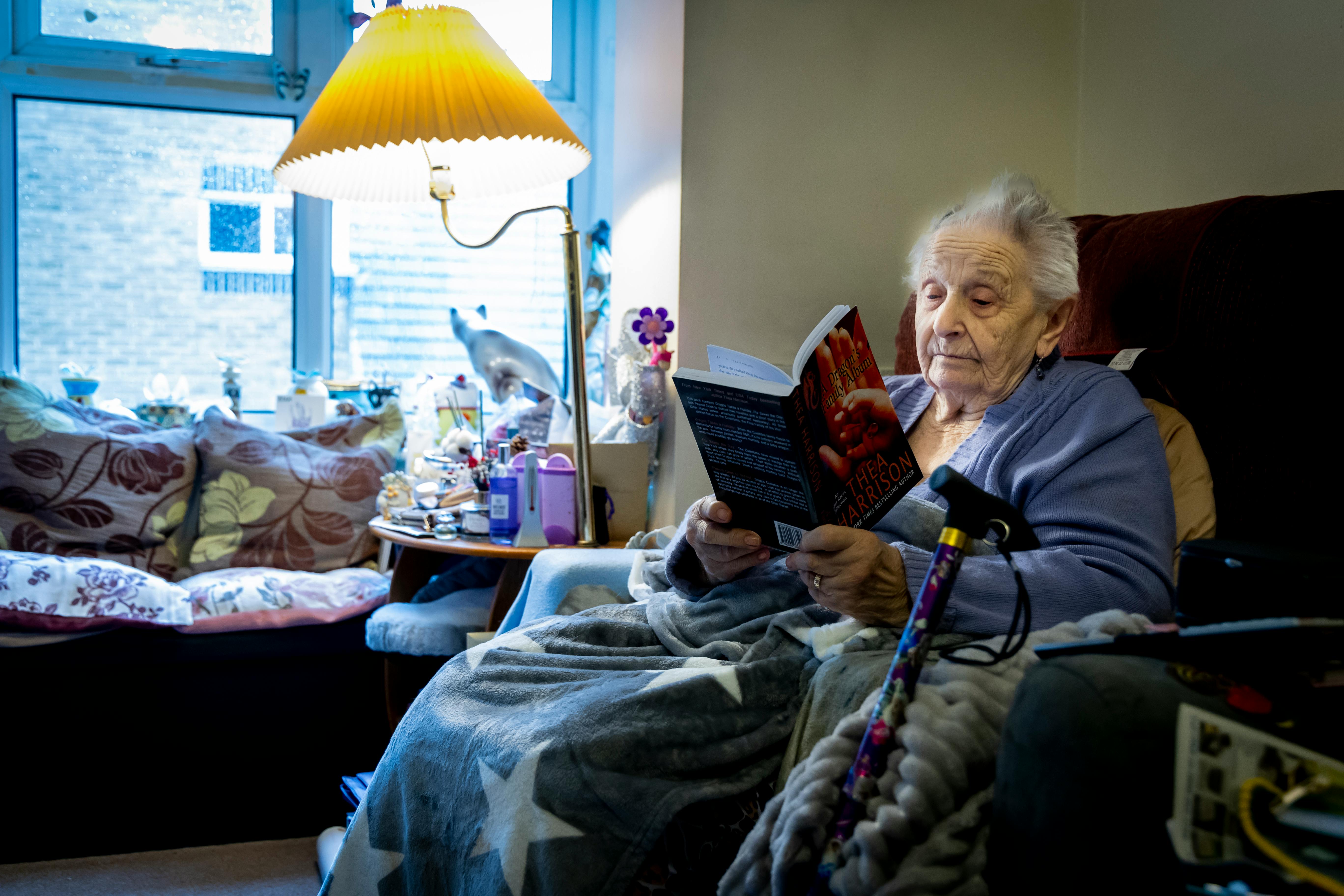
Illustrative image. Photographs of this home have not yet been added.
Haviland House
Nursing Care
31 March 2025
Guild Care
67 beds
How this home compares nearby
Of 74 care homes for older people within 5 miles, 1 is rated higher by CQC, 61 are the same and 12 are lower.
15 of these nearby homes have been inspected more recently than this one.
Based on CQC ratings, updated 23 October 2026. How we compare homes | See the nearby homes
Rating history
- Sept 2016
- Dec 2017
- Jan 2019
- Aug 2021
- Jan 2022
- May 2025
Improved from Requires Improvement to Good in 2025. CQC has rated this home 6 times since 2016.
Source: CQC inspection reports. Contains CQC data licensed under the Open Government Licence v3.0.
Costs and who runs this home
Run by Guild Care, which runs 3 care homes in England: 2 rated Good and 1 Requires Improvement.
Average care home fees in the South East: £1,243 a week for residential care and £1,579 for nursing care (2024-25 averages). Self-funders usually pay more. See our care home costs guide.
- NHS-funded Nursing Care pays £267.68 a week to the home towards registered nursing care for eligible residents (2026/27). A quoted fee may already exclude it.
- This home lists dementia care, which usually costs more than standard residential care. See dementia care home costs. NHS Continuing Healthcare may apply where someone's needs are primarily health needs.
- How to pay for a care home explains the council means test, what counts as capital and the funding you can ask to be assessed for.
About Haviland House
Haviland House is a nursing home in West Sussex providing care for people living with dementia. Full details from the CQC's most recent inspection are set out below.
Haviland House is a nursing home providing care and support to people living with dementia, organised into households designed to meet needs at different stages of their dementia journey. The CQC found the service was performing well overall. Previous concerns about staffing levels and safe care and treatment had been resolved, with good staffing, effective risk management and stronger quality oversight now in place.
Inspectors found staff were well trained, safely recruited and knew people well, providing person-centred, compassionate care. People and relatives spoke positively about food, activities and communication with management. A minor issue with medicine record keeping was identified, which the management team acted on immediately.
Source: CQC assessment, 13 May 2025
Specialist Care
Fees and availability
We have not verified a current weekly fee for this home. Ask for a written quote based on the room and care needed, including any extra charges.
Check current vacancies, the admission assessment and visiting arrangements directly with the home.
Care and inspection details
Checked against the CQC register on 20 September 2026. This is a check of published information, not a visit to the home.
- Registered service
- Care home service with nursing
- Registered capacity
- 67 places — this is not a vacancy count
- Registration checked
- Registered · BN12 6FE
Registered care categories
Caring for adults over 65 yrs; Caring for adults under 65 yrs; Dementia; Mental health conditions.
These describe the registration. The home must assess whether it can meet the individual person's needs and whether a place is available.
CQC ratings in more detail
Overall rating shown by CQC: .
Assessment published 13 May 2025. Assessment date recorded: 31 March 2025.
Read CQC's assessment overview
The following is CQC's published account of its assessment, published 13 May 2025. References to “we” mean CQC. It describes findings at that time.
Dates of Assessment: 14 April to 24 April 2025. Haviland House is a nursing home providing support to people living with dementia. The service is divided into ‘households’ which is intended to meet people’s needs throughout their dementia journey.
We inspected this service due to some concerns relating to staffing levels and people’s choices regarding what time they were supported to get up in the morning. We found staffing levels met people’s needs and people told us they were given choices of when they were supported. Records and discussions with staff confirmed this.
The provider was previously in breach of legal regulations in relation to safe care and treatment and good governance. Improvements were found at this inspection and the provider was no longer in breach of these regulations. At our last inspection, we made a recommendation regarding how consent was sought if support was given in people’s best interests. The provider had made improvements and mental capacity assessments were now completed; subsequent best interests decisions were made with people’s legal representatives.
The service was now led by a committed registered manager and management team. Quality assurance processes now provided a thorough oversight of the service. The registered manager looked for opportunities to continually improve the service by analysing patterns from accident, incidents, feedback and audit outcomes. Staff were able to give suggestions and raise concerns and told us managers listened to them.
Risks to people’s health were now managed well, health conditions were now being monitored and concerns acted upon. Accidents and incidents were now followed up with referrals to relevant professionals. Improvements had been made to medicine management; however, we identified improvements were needed in respect of record keeping. The management team immediately acted upon our feedback.Staff were safely recruited, regularly supervised and were given training opportunities to support them in their roles. Staff protected people from the risk of abuse by following the provider’s policies. The service was clean and staff used personal protective equipment appropriately. Equipment was regularly serviced and checks of the environment were completed to ensure the service was safe for people.Health and social care professional involvement was sought and their advice was included in people’s care record. Staff provided feedback to professionals so treatment plans could be adapted for positive outcomes for people. People were able to access appointments in-house and externally.
People were supported by a staffing team who knew them well. Staff understood people’s communication methods which were documented in their care plans. People received person-centred care and engaged with a programme of activities including entertainment and events run by staff.
People and their relatives were involved in decisions about their support. People’s feedback was listened to, for example, regarding meal choices. People’s nutritional needs were met and their dietary requirements were known by staff.
People were supported by staff who treated them with compassion and respect. People’s independence was promoted through staff practices, the layout of the service and through continual choices being offered.
The system for responding to concerns or complaints worked well, the registered manager looked for trends and cascaded any lessons learnt to the staffing team.
- Safe
- Effective
- Caring
- Responsive
- Well-led
Contains Care Quality Commission information under the Open Government Licence v3.0. Ratings and registration details can change after the date checked.
5 Questions to Ask on Your Visit
When visiting Haviland House, consider asking...
- 1.What specific dementia training do staff receive and how recently?
- 2.How do you support a resident who becomes distressed or confused?
- 3.How does the home keep a record of a resident's life history and personal preferences?
- 4.How do you involve families as dementia progresses and communication becomes harder?
- 5.What happens when a resident's dementia reaches an advanced stage?
5 Things to Look For on Your Visit
When you visit Haviland House, look out for...
- 1.Is the environment calm, uncluttered and easy to navigate?
- 2.Do staff speak to residents with patience and dignity, even if they repeat themselves?
- 3.Are there memory cues around the home -- photos, familiar objects, clear signage?
- 4.Do residents seem settled and safe, or agitated and unsupervised?
- 5.Is there meaningful activity happening, or are residents just sitting quietly with nothing to do?
Could the NHS fund Haviland House's fees?
The average nursing home costs £1,535 per week. That's £79,820 a year. NHS Continuing Healthcare could cover all of it. No means test, no contribution from you.
Location
20A Robin Road, Goring by Sea, Worthing, West Sussex, BN12 6FE

Haviland House
CQC overall rating
Assessment date: 31 March 2025
Helpful Guides
Have a question about this care home?
Ask in our Community Forum and get a real answer from someone who's been through it.
Share what's on your mindFind Out If Haviland House Is Right for You
Start the conversation and request a callback from this home.
A free daily companion for someone with dementia
Shows the date, weather, family photos, and a daily question. Set up in 10 minutes.
Other Care Homes Near BN12 6FE
Listings with similar recorded care types and specialisms are shown first. Confirm care needs and availability directly with each home.
Westholme Clinic Limited
10 Clive Avenue, Goring-by-Sea, Worthing, West Sussex
Nursing care
0.9 miles away (straight-line distance)

Country Lodge Nursing Home
Cote Street, Worthing, West Sussex
Nursing care
1.4 miles away (straight-line distance)

Longacre Care Home Limited
12-14 Chute Way, High Salvington, Worthing, West Sussex
Nursing care
1.5 miles away (straight-line distance)

Pentlands Nursing Home
42 Mill Road, Worthing, West Sussex
Nursing care
1.5 miles away (straight-line distance)
Tarring Manor
93 South Street, Tarring, Worthing
Nursing care
1.6 miles away (straight-line distance)
Baytrees Nursing Home
Baytrees, 1 Highfield Road, Worthing, West Sussex
Nursing care
1.6 miles away (straight-line distance)