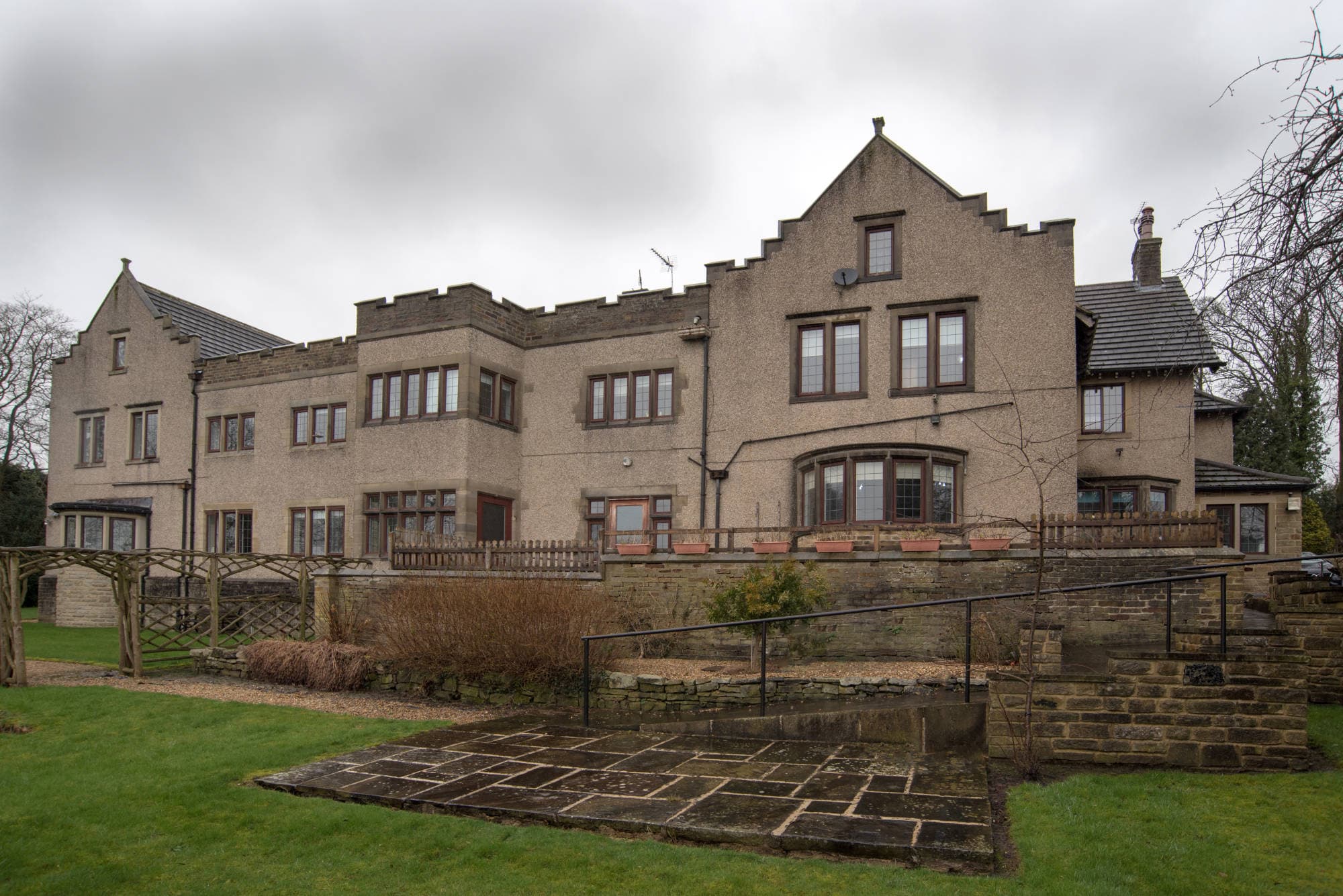
The Raikes Residential Home
Residential Care
6 March 2026
Crabtree Care Homes
31 beds
How this home compares nearby
Of 26 care homes for older people within 5 miles, 1 is rated higher by CQC, 20 are the same and 5 are lower.
26 of these nearby homes have been inspected more recently than this one.
Based on CQC ratings, updated 22 October 2026. How we compare homes | See the nearby homes
Rating history
- Jul 2016
- Oct 2017
- May 2026
Improved from Requires Improvement to Good in 2017.
Source: CQC inspection reports. Contains CQC data licensed under the Open Government Licence v3.0.
Costs and who runs this home
Run by Crabtree Care Homes, which runs 2 care homes in England: 2 rated Good.
Average care home fees in Yorkshire and the Humber: £907 a week for residential care and £1,287 for nursing care (2024-25 averages). Self-funders usually pay more. See our care home costs guide.
- This home lists dementia care, which usually costs more than standard residential care. See dementia care home costs. NHS Continuing Healthcare may apply where someone's needs are primarily health needs.
- How to pay for a care home explains the council means test, what counts as capital and the funding you can ask to be assessed for.
About The Raikes Residential Home
The Raikes Residential Home is a residential care home located in Bradford, Yorkshire and The Humber. Its registered care categories include dementia and older people. The home has 31 beds. CQC records an overall rating of Good, published in May 2026. The home is operated by Crabtree Care Homes.
Specialist Care
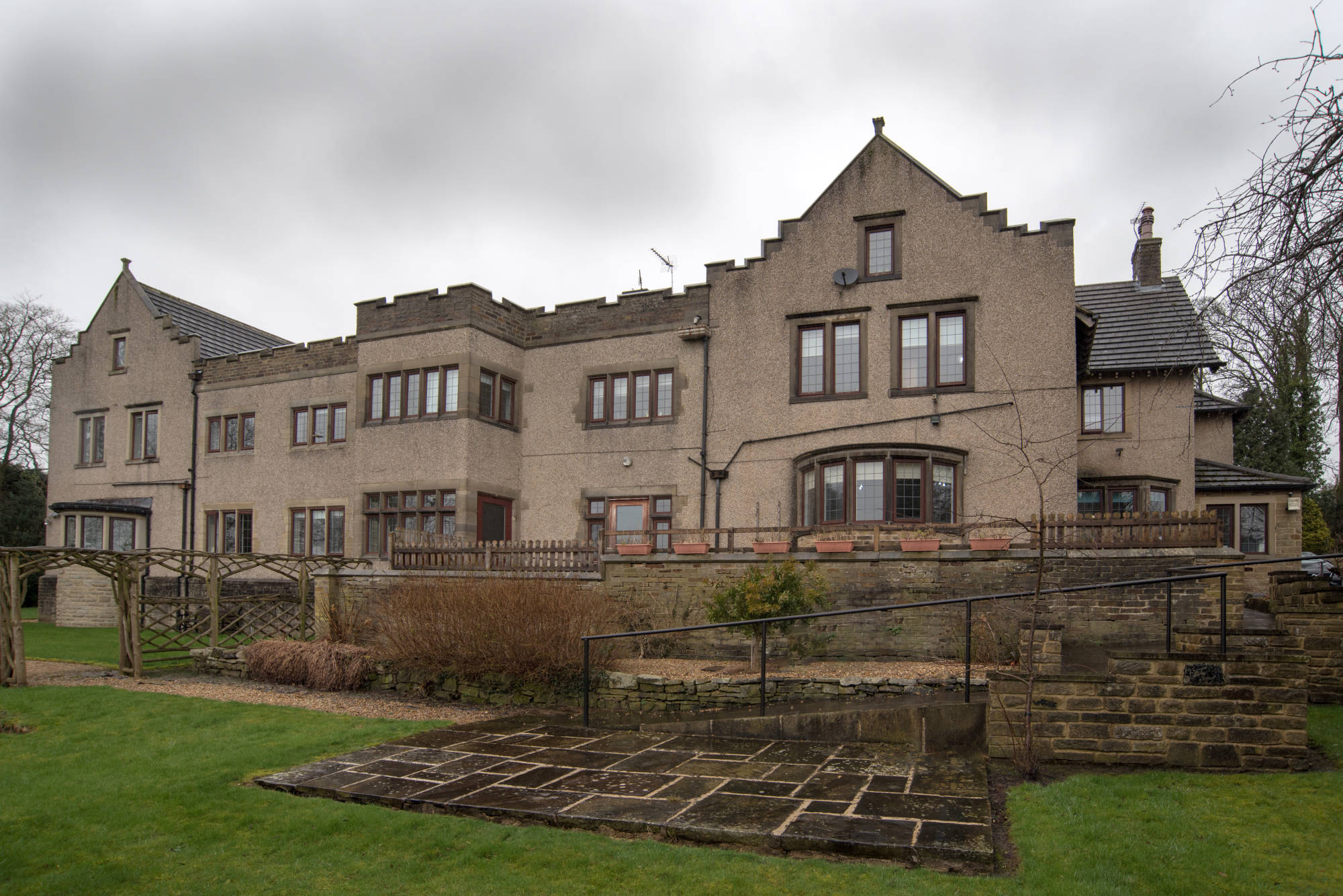
Photographs of the home
Practical details from the provider
- Residents can spend time in the garden or relax privately in their rooms.
Published on the provider's website, checked 2 October 2026. Confirm arrangements with the home before deciding.
Fees and availability
We have not verified a current weekly fee for this home. Ask for a written quote based on the room and care needed, including any extra charges.
Check current vacancies, the admission assessment and visiting arrangements directly with the home.
Care and inspection details
Checked against the CQC register on 21 September 2026. This is a check of published information, not a visit to the home.
- Registered service
- Care home service without nursing
- Registered capacity
- 31 places — this is not a vacancy count
- Registration checked
- Registered · BD20 9JN
Registered care categories
Caring for adults over 65 yrs; Dementia.
These describe the registration. The home must assess whether it can meet the individual person's needs and whether a place is available.
CQC ratings in more detail
Overall rating shown by CQC: .
Assessment published 13 May 2026. Assessment date recorded: 6 March 2026.
Read CQC's assessment overview
The following is CQC's published account of its assessment, published 13 May 2026. References to “we” mean CQC. It describes findings at that time.
Dates of assessment were from 27 April to 6 May 2026. We visited the service on 27 and 29 April 2026. The Raikes Residential Home is a care home providing personal care for up to 30 adults over 65, some of whom may be living with dementia. At the time of the assessment, there were 30 people living in the service. The service was last rated in 2017 as good in all areas. This assessment was completed due to an aged rating. This was a fully comprehensive inspection, covering all quality statements.
People, professionals and staff consistently provided consistent positive feedback regarding the service. We observed highly compassionate, kind and gentle interactions with people and staff. Leaders demonstrated a high-level of compassion in their roles and capability by ensuring the service had robust governance systems in place to support safe and effective care. The service demonstrated a high level of commitment to learning and improvement. There were some minor improvements and recommendations made which the service was very responsive to, and took any immediate actions required to make improvements.
There was a positive approach to safety within the service. Staff were supported by a highly positive learning culture where regular team meetings took place, and any incidents were thoroughly documented with actions or lessons learnt. The service established safe transitions and pathways in the service, having a high standard of working with other partners and agencies. There were robust safeguarding training and processes were in place. There were good examples of multi-agency working with other professionals to manage risk, and professionals provided positive feedback for the service. There was a high level of safety in the service whereby thorough, appropriate maintenance checks were completed. The service had safe staffing, with robust recruitment processes and relevant training. The service had appropriate procedures in place to ensure safe infection prevention and control (IPC). There was robust medicines management in place including for those people who used covert or “as and when required” (PRN) medications.
There were effective assessment processes in place for those being admitted to the service. People were provided with client guides with information on the service’s values and care support, however, some of the information was outdated. This was immediately rectified by the service. Staff teams worked well together in the service; this was supported by staff and professionals who provided consistent positive feedback. People’s care was effectively monitored to improve people’s outcomes and appropriate consent documentation was in place. Most people were supported to live healthier lives, for example, by appropriate nutritional and dietary information, or supported to complete exercises through activities. However, there was a lack of meaningful activity for those cared for in bed. The service has advised us how they will make improvements in this area.
There was an exceptional culture of kindness, compassion and respect throughout the service. People, relatives and professionals we spoke with repeatedly told us the care was outstanding. People were treated as individuals, and this was evidenced in care plans. People were mostly supported to maximise their independence, choice and control, however, there was some minor restrictions to accessing outside areas, where people could not access outside without asking staff. This was immediately rectified by the service. People’s immediate needs were responded to including call bells being answered in a timely manner. We also observed people’s immediate needs met, for example, when people presented with distressed behaviours. Staff in the service told us they were well supported in the service with their wellbeing and enablement.
Care plans were person centred and care provision was well integrated with local relevant services. People were provided with relevant information including safeguarding and complaints which was displayed throughout the service. We advised there could be improved signage in the building to support with orientation, especially for people living with dementia. The service told us how they will make improvements in this area. People told us they felt listened to however, there was a lack of evidence people were involved in care plan reviews. There were also limitations in how people could give feedback in other ways, for example, a lack of resident’s surveys and inconsistent resident meetings. The service has told us how they will make improvements in this area. People who may be at risk of inequality were supported to have equal access, outcomes and experiences. There were appropriate processes in place to support people to plan for the future, including end of life care.
The service did not have a registered manager in place due to exceptional circumstances. However, leadership in the service was a strength. A new manager had been appointed and was due to start imminently in their role. There was a clear shared value base in the service. Leaders demonstrated an exceptional level of compassion, inclusivity and capability in their roles, as well as a person-centred approach to leadership. People, staff and professionals displayed a high level of confidence in leaders. People and staff were able to speak up in the service and felt highly assured any concerns would be dealt with swiftly and appropriately, and there was a strong level of openness and transparency in the service. There was a high level of commitment to whistleblowing and speaking up, with appropriate speaking up policies in place and whistleblowing information visible throughout the service. There was a diverse workforce in place. There were robust systems and processes in place to support good governance in the service, for example, regular audits which were completed by leaders. There were robust partnership working with other services, and professionals provided consistent positive feedback. There were highly robust processes in place to support learning and innovation including an incident, falls tracker and lessons identified and there were regular team meetings. The service also supported other services with relevant learning improvements.
- Safe
- Effective
- Caring
- Responsive
- Well-led
Contains Care Quality Commission information under the Open Government Licence v3.0. Ratings and registration details can change after the date checked.
5 Questions to Ask on Your Visit
When visiting The Raikes Residential Home, consider asking...
- 1.What specific dementia training do staff receive and how recently?
- 2.How do you support a resident who becomes distressed or confused?
- 3.How does the home keep a record of a resident's life history and personal preferences?
- 4.How do you involve families as dementia progresses and communication becomes harder?
- 5.What happens when a resident's dementia reaches an advanced stage?
5 Things to Look For on Your Visit
When you visit The Raikes Residential Home, look out for...
- 1.Is the environment calm, uncluttered and easy to navigate?
- 2.Do staff speak to residents with patience and dignity, even if they repeat themselves?
- 3.Are there memory cues around the home -- photos, familiar objects, clear signage?
- 4.Do residents seem settled and safe, or agitated and unsupervised?
- 5.Is there meaningful activity happening, or are residents just sitting quietly with nothing to do?
Could the NHS fund The Raikes Residential Home's fees?
The average nursing home costs £1,535 per week. That's £79,820 a year. NHS Continuing Healthcare could cover all of it. No means test, no contribution from you.
Location
Bradley Road, Silsden, Bradford, West Yorkshire, BD20 9JN
The Raikes Residential Home
CQC overall rating
Assessment date: 6 March 2026
Helpful Guides
Have a question about this care home?
Ask in our Community Forum and get a real answer from someone who's been through it.
Share what's on your mindFind Out If The Raikes Residential Home Is Right for You
Start the conversation and request a callback from this home.
A free daily companion for someone with dementia
Shows the date, weather, family photos, and a daily question. Set up in 10 minutes.
Other Care Homes Near BD20 9JN
Listings with similar recorded care types and specialisms are shown first. Confirm care needs and availability directly with each home.

Summerfield Private Residential Home
Summerfield, Skipton Road, Silsden, Keighley, West Yorkshire
Residential care
0.4 miles away (straight-line distance)
Springbank Care Home
Howden Road, Silsden, Keighley, West Yorkshire
Residential care
1.1 miles away (straight-line distance)
Greenhill
30 Station Road, Steeton, Keighley, West Yorkshire
Residential care
1.6 miles away (straight-line distance)
Morton Close
Morton Lane, East Morton, Keighley, West Yorkshire
Residential care
1.8 miles away (straight-line distance)
Ghyllside
22a High Street, Steeton, Keighley, West Yorkshire
Residential care
1.9 miles away (straight-line distance)
Croft House Care Home Limited
Main Road, Eastburn, Keighley, West Yorkshire
Residential care
2.0 miles away (straight-line distance)