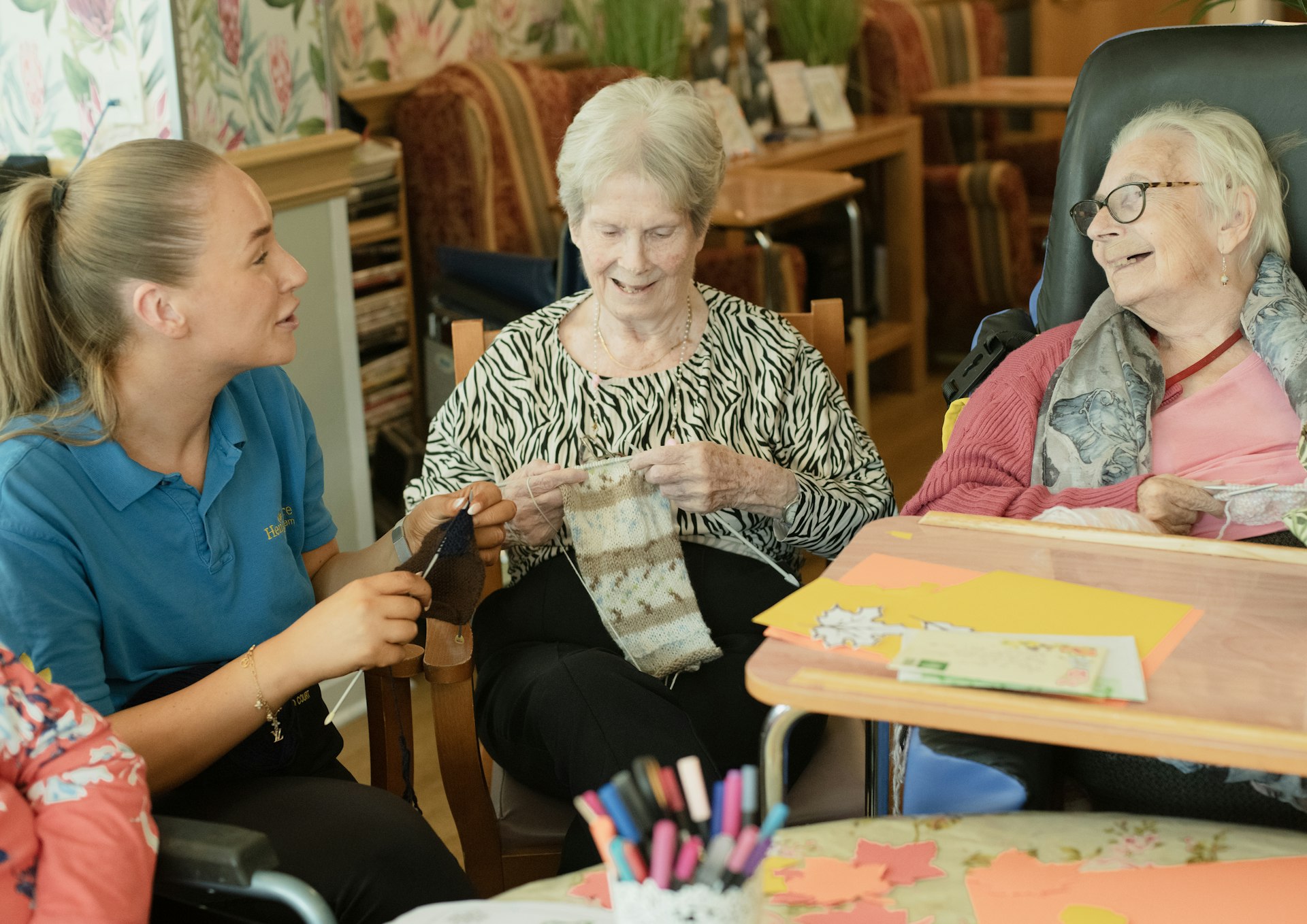
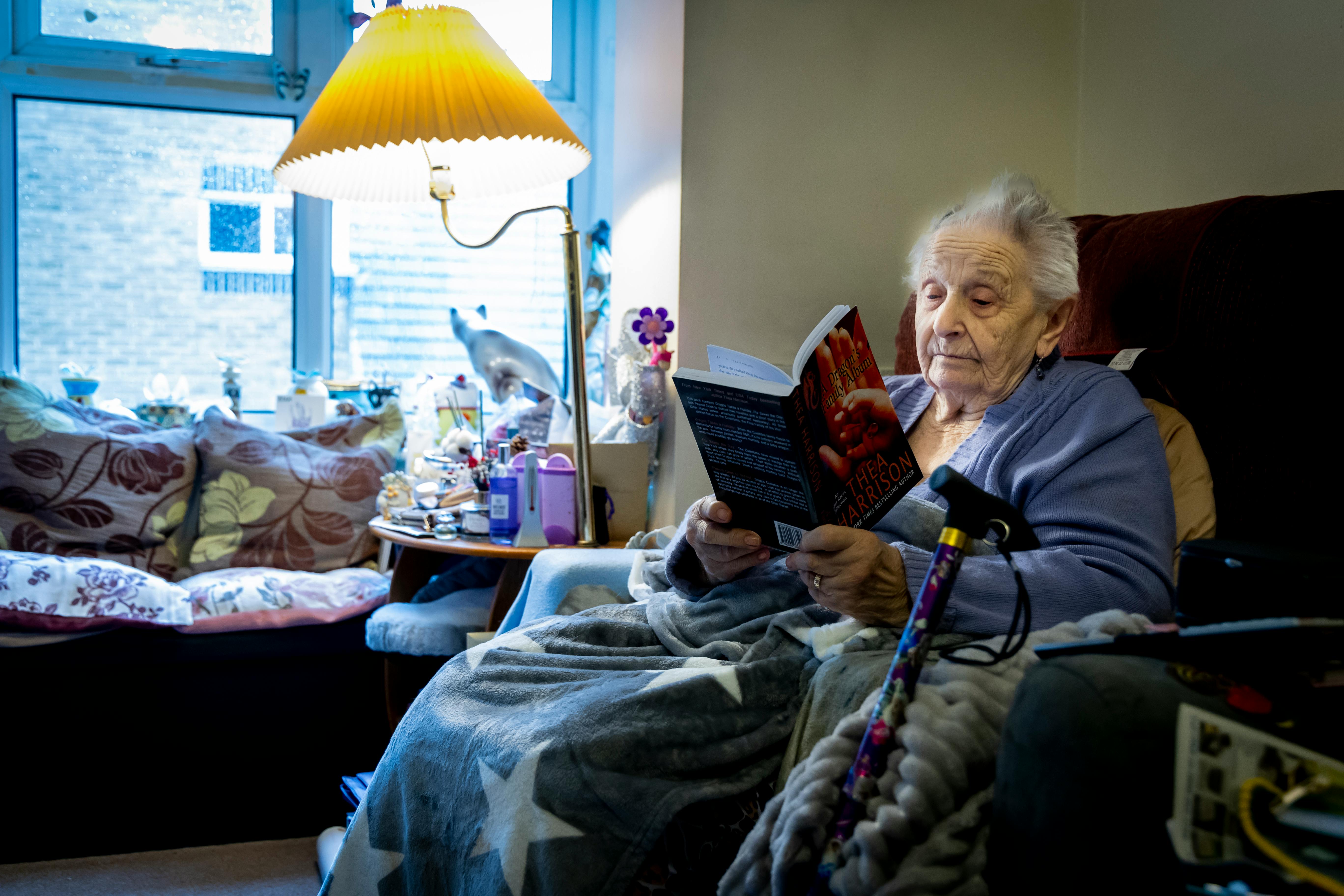
Illustrative image. Photographs of this home have not yet been added.
SENSE Holmlea
Residential Care
25 June 2026
Sense
6 beds
Rating history
- Sept 2016
- Jul 2019
- Sept 2026
Rated Good at every inspection since 2016.
Source: CQC inspection reports. Contains CQC data licensed under the Open Government Licence v3.0.
Costs and who runs this home
Run by Sense, which runs 36 care homes in England: 2 rated Outstanding, 31 Good and 3 Requires Improvement.
- How to pay for a care home explains the council means test, what counts as capital and the funding you can ask to be assessed for.
About SENSE Holmlea
SENSE Holmlea is a residential care home located in Norfolk, East of England. Its registered care categories include learning disabilities and sensory impairments. The home has 6 beds. CQC records an overall rating of Good, published in September 2026. The home is operated by Sense.
Specialist Care
Fees and availability
We have not verified a current weekly fee for this home. Ask for a written quote based on the room and care needed, including any extra charges.
Check current vacancies, the admission assessment and visiting arrangements directly with the home.
Care and inspection details
Checked against the CQC register on 21 September 2026. This is a check of published information, not a visit to the home.
- Registered service
- Care home service without nursing
- Registered capacity
- 6 places — this is not a vacancy count
- Registration checked
- Registered · NR19 1JL
Registered care categories
Learning disabilities; Sensory impairment.
These describe the registration. The home must assess whether it can meet the individual person's needs and whether a place is available.
CQC ratings in more detail
Overall rating shown by CQC: .
Assessment published 16 September 2026. Assessment date recorded: 25 June 2026.
Read CQC's assessment overview
The following is CQC's published account of its assessment, published 16 September 2026. References to “we” mean CQC. It describes findings at that time.
About the service:
The service is a care home. There were 6 people living at the service in ground floor purpose-built accommodation.
Who the service is for:
The service supports people with sensory needs, including autism, learning disability and additional health care needs.
Our view of the service:
Key findings
We carried out this assessment on 24 July 2026. This service was previously rated good. We carried out this assessment to confirm whether the rating of good remains accurate. This report does not provide detailed information on areas where we found practice continues to meet a good standard. Instead, our findings focus on any areas where the service needs to improve or where we found exceptional practice.
We assessed the service against ‘Right support, right care, right culture’ guidance to make judgements about whether the provider guaranteed people with a learning disability and autistic people respect, equality, dignity, choices, independence and good access to local communities that most people take for granted. We were assured the service met the principles of ‘Right support, right care, right culture’ and people received safe, person-centred and outcomes focused care and support.
Staffing levels were appropriate, and staff had the necessary skills to meet people’s comprehensive needs which included physical disability, learning disability, sensory needs and health needs. Staff had adequate training and their competencies were assessed to help them deliver safe, effective care.
A staff member told us, “I have had face to face training for first aid which covered the topics of emergencies, diabetes and recognising health conditions, and a separate face to face training for epilepsy. I am medication trained and had my assessment of competence.”Some staff had completed end of life training and others had not which was raised with the registered manager.
A staff member told us, “The team seems to all work well together and complement each other’s strengths. ”Another said, “I feel part of the team and respected.”
Staff told us they felt well supported by the management team and the out of hours support. One staff said, “I feel both my manager and deputy are responsive to my questions, and it is nice that they have an open-door policy.” Another said the out of hours on call was sometimes difficult as it could be covered by a manager who was not familiar with the service, However the on-call was a 2 tier system and the registered manager told us they were local and could be contacted.
The registered manager was complimentary about their staff and their abilities. Ongoing support and recognition of staff’s talents and skill set could be enhanced by the development of further champion roles, train the trainer and a greater take up of national recognised qualifications. There was a registered manager and deputy manager and a team lead had recently been appointed to enhance the running of the service.
The environment was appropriate to people’s needs and was spacious, personalised and very clean. People had the equipment they needed to support safe care. No risks to people’s environment were identified and regular maintenance checks helped ensure people’s safety.
We observed lunch time and interactions across the day between staff and people using the service. These were wholly positive and demonstrated to us that staff were skilled communicators and treated people with respect and dignity. A staff member told us, “We are a really good team, and all have the same goal to give our guys, their families all the love and support we can to make their lives fulfilling.” Electronic care plans clearly described people’s needs andvwhat was important to them to help ensure any care delivery was person centred.
Activities were provided sensitively around people’s needs and assessed risks. Whilst staff took people out and this included holidays and day trips, staffing levels did not lend themselves to people going out every day due to the high level of support people required with their mobility. The home had adequate transport and the service-maintained relationships with the external community, friends and family. We suggested that external entertainers might ease the pressures on staff and enhance people’s experiences.
People can only be deprived of their liberty to receive care and treatment with appropriate legal authority. In care homes, this can be done through a procedure called the Deprivation of Liberty Safeguards (DoLS), which is part of the Mental Capacity Act 2005 (MCA). We checked whether the service was working within the principles of the MCA and how they managed DoLS within the service. We found that staff and management worked within the principles of the Mental Capacity Act 2005 (MCA). Whilst restrictions were in place: for example, a monitoring system, the rationale for this was clearly documented and there was a risk assessment and best interest decision in place. People had communication plans in place to support staff in understanding how people expressed themselves.
Deprivation of Liberty Safeguards (DoLS) authorisations were appropriately applied for and overseen. People were not subject to unlawful or excessive restrictions they had choice,control and freedom over their lives.
The service used learning from feedback, incidents and reviews to make service improvements. Staff confidently answered questions about safeguarding people in their care and received appropriate training. A staff member told us, “Management are with us every step, and very approachable and supportive, and I would not think twice about approaching if I had any concerns about another member of staff or the people we look after.” Safeguarding records were appropriate.
Medicines were managed safely and staff were conscientious.Tablet counts were completed multiple times a day and handed over to the next medication lead so if a medication error occurred, this could be quickly identified to ensure people’s safety. Medicines were regularly reviewed and the service worked closely with other services to ensure joint up care. A safeguarding concern had been raised when care between services had not been seamless and staff advocated for people as they knew them best.
There was a positive culture in the home and staff had confidence in the management team and the support they received. Staff felt valued and had the necessary skills to deliver appropriate care and were supported to develop their skills. Quality assurance systems were firmly embedded and helped staff to evidence their compliance with regulation and good practice. Electronic care plans had taken over from paper records and whilst these were detailed staff were still getting use to the new system. We discussed with the registered manager about making care plans accessible to parents where appropriate and where they held Power of attorney. Relatives told us communication was good but said sharing photographs and good new stories would be appreciated. The registered manager said they would be developing a newsletter.
- Safe
- Effective
- Caring
- Responsive
- Well-led
Contains Care Quality Commission information under the Open Government Licence v3.0. Ratings and registration details can change after the date checked.
5 Questions to Ask on Your Visit
When visiting SENSE Holmlea, consider asking...
- 1.What happens if my relative's care needs increase significantly -- will they have to move?
- 2.How do you handle concerns or complaints from families?
- 3.What does the monthly fee cover and what will cost extra?
- 4.How do you keep families informed about their relative's day-to-day wellbeing?
- 5.What happens if my relative is unhappy here?
5 Things to Look For on Your Visit
When you visit SENSE Holmlea, look out for...
- 1.Do staff greet residents by name and stop to chat?
- 2.Are residents dressed, up and occupied, or sitting alone in front of a TV?
- 3.Does the home smell fresh and feel clean without being clinical?
- 4.Do residents look comfortable and at ease, or anxious and withdrawn?
- 5.Does the manager answer your questions openly or deflect?
Could the NHS fund SENSE Holmlea's fees?
The average nursing home costs £1,535 per week. That's £79,820 a year. NHS Continuing Healthcare could cover all of it. No means test, no contribution from you.
Location
53a Shipdham Road, Toftwood, Dereham, Norfolk, NR19 1JL

SENSE Holmlea
CQC overall rating
Assessment date: 25 June 2026
Helpful Guides
Have a question about this care home?
Ask in our Community Forum and get a real answer from someone who's been through it.
Share what's on your mindFind Out If SENSE Holmlea Is Right for You
Start the conversation and request a callback from this home.
A free daily companion for someone with dementia
Shows the date, weather, family photos, and a daily question. Set up in 10 minutes.
Other Care Homes Near NR19 1JL
Listings with similar recorded care types and specialisms are shown first. Confirm care needs and availability directly with each home.

Westfield House
12 Westfield Road, Toftwood, Dereham, Norfolk
Residential care
0.2 miles away (straight-line distance)
Maple Tree Care Limited
3 Epsom Gardens, Dereham
Residential care
0.3 miles away (straight-line distance)
Maple Tree Care Ltd
2 Epsom Gardens, Dereham, Norfolk
Residential care
0.3 miles away (straight-line distance)
Walnut House
49 Norwich Road, Dereham, Norfolk
Residential care
1.0 miles away (straight-line distance)
Merle Boddy House
55 Norwich Road, Dereham, Norfolk
Residential care
1.1 miles away (straight-line distance)
Eckling Grange
Norwich Road, Dereham, Norfolk
Residential care
1.4 miles away (straight-line distance)