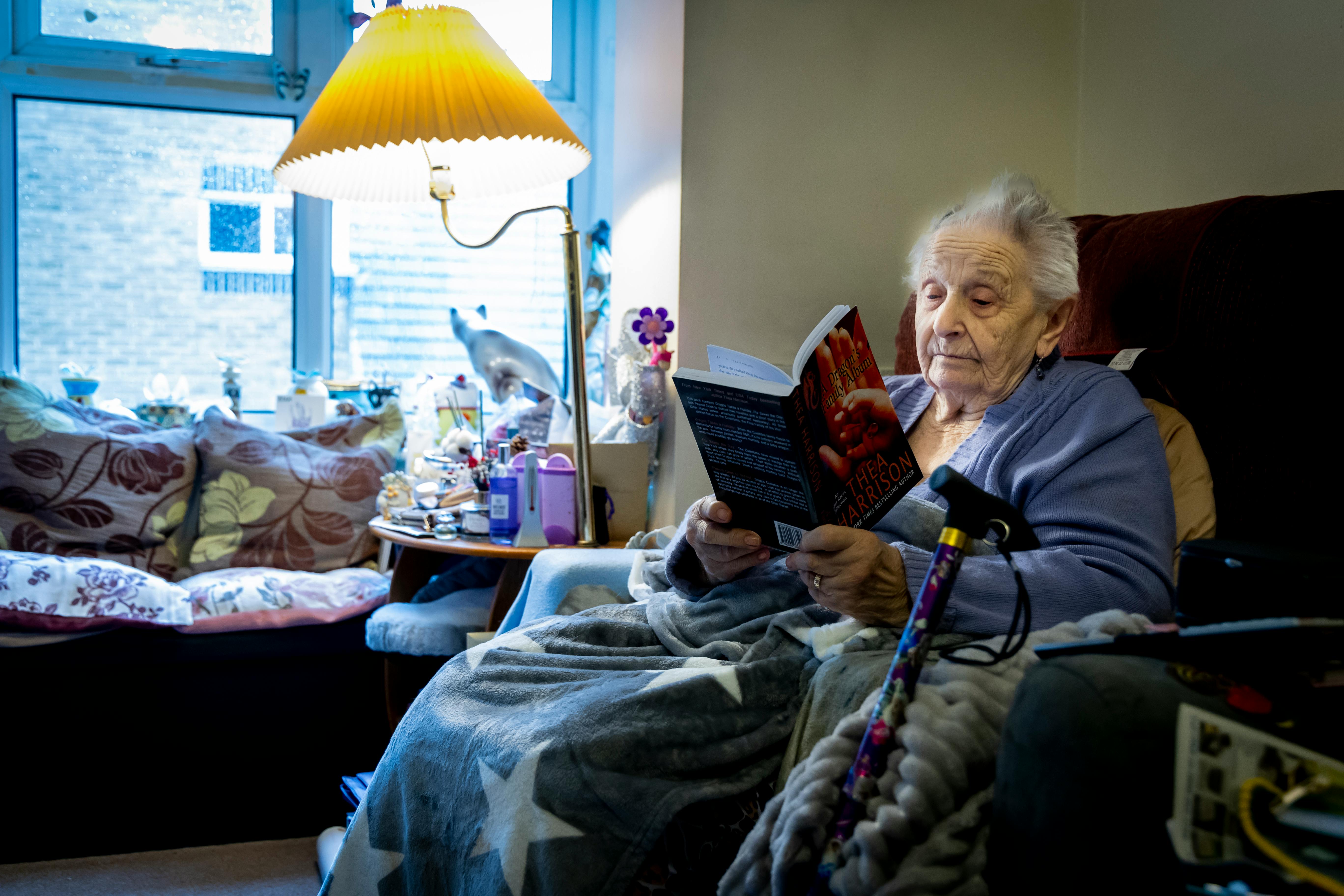
Illustrative image. Photographs of this home have not yet been added.
Rowan Garth Care Home
Nursing Care
9 June 2025
Wellington Healthcare (Arden) Ltd
150 beds
How this home compares nearby
Of 94 care homes for older people within 5 miles, 89 are rated higher by CQC, 5 are the same and none are lower.
16 of these nearby homes have been inspected more recently than this one.
Based on CQC ratings, updated 22 October 2026. How we compare homes | See the nearby homes
Rating history
- Mar 2020
- Aug 2021
- Feb 2022
- Nov 2022
- Jun 2023
- Dec 2025
Rating dropped from Requires Improvement to Inadequate in 2025. CQC has rated this home 6 times since 2020.
Source: CQC inspection reports. Contains CQC data licensed under the Open Government Licence v3.0.
Costs and who runs this home
Run by Wellington Healthcare (Arden) Ltd, which runs 12 care homes in England: 4 rated Good, 2 Requires Improvement, 1 Inadequate and 5 not yet rated.
Average care home fees in the North West: £882 a week for residential care and £1,196 for nursing care (2024-25 averages). Self-funders usually pay more. See our care home costs guide.
- NHS-funded Nursing Care pays £267.68 a week to the home towards registered nursing care for eligible residents (2026/27). A quoted fee may already exclude it.
- This home lists dementia care, which usually costs more than standard residential care. See dementia care home costs. NHS Continuing Healthcare may apply where someone's needs are primarily health needs.
- How to pay for a care home explains the council means test, what counts as capital and the funding you can ask to be assessed for.
About Rowan Garth Care Home
Rowan Garth Care Home is a nursing home in Liverpool, providing nursing and personal care. Details of the most recent CQC assessment are set out below.
Rowan Garth Care Home offers nursing and personal care for up to 150 people across five units, with 82 people living there at the time of assessment, including some with autism or a learning disability. The CQC rated the service Inadequate overall and placed it into special measures, having found five breaches covering safe care, consent, person-centred care, staffing and governance.
Inspectors found unsafe medicines management, poor infection control, inadequate wound and continence care, and insufficient staff to meet people's needs. Consent and mental capacity processes were not properly followed, and leaders lacked effective oversight. People and relatives described staff as kind, though some raised concerns about waiting times and limited activities.
Source: CQC assessment, 10 December 2025
Specialist Care
Fees and availability
We have not verified a current weekly fee for this home. Ask for a written quote based on the room and care needed, including any extra charges.
Check current vacancies, the admission assessment and visiting arrangements directly with the home.
Care and inspection details
Checked against the CQC register on 21 September 2026. This is a check of published information, not a visit to the home.
- Registered service
- Care home service with nursing
- Registered capacity
- 150 places — this is not a vacancy count
- Registration checked
- Registered · L6 0AE
Registered care categories
Caring for adults over 65 yrs; Caring for adults under 65 yrs; Dementia; Physical disabilities.
These describe the registration. The home must assess whether it can meet the individual person's needs and whether a place is available.
CQC ratings in more detail
Overall rating shown by CQC: .
Assessment published 10 December 2025. Assessment date recorded: 9 June 2025.
Read CQC's assessment overview
The following is CQC's published account of its assessment, published 10 December 2025. References to “we” mean CQC. It describes findings at that time.
Date of assessment – 25 June to 17 July 2025. Two visits to the home were conducted on the 25 June and 3 July 2025. The assessment concluded on the 17 July 2025. This was a responsive assessment based on intelligence CQC held about the service and potential risk. During the assessment, 5 regulatory breaches were found in respect of safe care and treatment, the need for consent, person centred care, staffing and continued breach of good governance. Rowan Garth Care Home provides accommodation for up to 150 people who require support with nursing or personal care. Accommodation is provided across 5 separate units. A unit manager was in charge of each unit under the direction of the registered manager. At the time of the inspection, only 3 out of the 5 units were open and 82 people lived in the home. Some people living in the home lived with autism or a learning disability. Although this service is not registered as a specialist service, we still assessed the service against ‘Right Culture, right care, right support’ guidance. This was to check if the provider guaranteed people with a learning disability or autism respect, equality, dignity, choices, independence and good access to local communities that most people take for granted. People’s needs and risks were not properly assessed, and staff did not have accurate and sufficient information on how to care for people safely. People’s care did not always adhere to best practice guidance. There were gaps in the delivery of people’s care and some people received care and treatment which was unsafe or insufficient. For example, some people’s continence records showed they were wet through and in need of a change of clothes on multiple occasions, indicating people’s continence care was insufficient. People’s behavioural needs and risks were not managed in a safe way to prevent physical harm or abuse towards other people and staff. Wound management did not follow best practice guidance recommended by the Royal College of Nursing. Dementia care planning and the environment in which people lived did not adhere to best practice guidance issued by NHS England. People’s health conditions and clinical needs were not managed and monitored in accordance with National Institute of Health and Social Care Excellence and other associated guidance. The management of medicines was unsafe. People did not always receive the medicines they needed at the right time or in a safe way to prevent ill-health or the unwanted symptoms of the conditions the medicines were prescribed to treat. Staff did not have sufficient clinical guidance on people’s clinical risks and medicines for complex health conditions such as diabetes and epilepsy. People’s medicinal care was not person centred and the checks in place to ensure people were not given medicines they were allergic to, were not robust. Medicines were not always stored at the right temperatures which increased the risk of them being ineffective. The organisational tools used by the provider to determine safe staffing levels were not based on robust or reliable information about people’s needs. During our assessment the number of staff on duty was not always sufficient to meet people’s needs. Staff spoken with confirmed this. An agency nurse told us, “From a nurse’s point of view, there are not enough nurses, agency nurses don’t like coming back. It is too much”. People’s consent was not always obtained in accordance with the Mental Capacity Act 2005 (MCA). Some restrictions on people’s lives were put in place without due consideration of the Deprivation of Liberty safeguarding legislation, designed to protect people’s human rights. The environment in which people lived was not adequately maintained. Some people did not have access to a working bath or an accessible call bell to ring for staff support when needed. Infection control standards were poor. Used personal and protective equipment (PPE) and other debris were found in the car park and other areas of the home. Furnishing, fittings and equipment was not always clean or in a good state or repair. The checks in place to monitor for the risk of Legionella bacteria in the home’s water system were not always completed. Staff were recruited safely and had access to an induction and training. However, staff did not always receive regular supervision or an annual appraisal of their skills and abilities for the provider to be assured of their competence. Governance arrangements to monitor the quality and safety of the service were not robust. The provider and senior management team did not have effective oversight of the service to ensure risks to people’s health, safety and welfare were mitigated. Staff knew what action to take in the event of an accident and incident and told us they would report any concerns conduct to the manager should they suspect potential abuse. The overall rating for this service is ‘Inadequate’. The service has been placed in ‘special measures’. Special measures provide a framework within which we use our enforcement powers in response to inadequate care and provide a timeframe within which providers must improve the quality of the care they provide. In instances where CQC have decided to take civil or criminal enforcement action against a provider, we will publish this information on our website after any representations and/ or appeals have been concluded.
- Safe
- Effective
- Caring
- Responsive
- Well-led
Questions prompted by these ratings
- Safe: What changes have been made to medicines, staffing and safeguarding since this rating?
- Effective: How are staff training, nutrition and health outcomes checked now?
- Caring: How do staff protect privacy, dignity and each person’s choices?
- Responsive: How are care plans, activities and complaints adapted to each resident?
- Well-led: What has changed in management, checks and oversight since this rating?
These are questions for your visit, not a claim about conditions today.
Contains Care Quality Commission information under the Open Government Licence v3.0. Ratings and registration details can change after the date checked.
5 Questions to Ask on Your Visit
When visiting Rowan Garth Care Home, consider asking...
- 1.What specific dementia training do staff receive and how recently?
- 2.How do you support a resident who becomes distressed or confused?
- 3.How does the home keep a record of a resident's life history and personal preferences?
- 4.How do you involve families as dementia progresses and communication becomes harder?
- 5.What happens when a resident's dementia reaches an advanced stage?
5 Things to Look For on Your Visit
When you visit Rowan Garth Care Home, look out for...
- 1.Is the environment calm, uncluttered and easy to navigate?
- 2.Do staff speak to residents with patience and dignity, even if they repeat themselves?
- 3.Are there memory cues around the home -- photos, familiar objects, clear signage?
- 4.Do residents seem settled and safe, or agitated and unsupervised?
- 5.Is there meaningful activity happening, or are residents just sitting quietly with nothing to do?
Could the NHS fund Rowan Garth Care Home's fees?
The average nursing home costs £1,535 per week. That's £79,820 a year. NHS Continuing Healthcare could cover all of it. No means test, no contribution from you.
Location
219 Lower Breck Road, Liverpool, Merseyside, L6 0AE
Rowan Garth Care Home
CQC overall rating
Assessment date: 9 June 2025
Helpful Guides
Have a question about this care home?
Ask in our Community Forum and get a real answer from someone who's been through it.
Share what's on your mindFind Out If Rowan Garth Care Home Is Right for You
Start the conversation and request a callback from this home.
A free daily companion for someone with dementia
Shows the date, weather, family photos, and a daily question. Set up in 10 minutes.
Other Care Homes Near L6 0AE
Listings with similar recorded care types and specialisms are shown first. Confirm care needs and availability directly with each home.

Gordon House Care Home
Belmont Grove, Tuebrook, Liverpool, Merseyside
Nursing care
0.2 miles away (straight-line distance)
Millvina House
155 Hartnup Street, Liverpool
Nursing care
0.7 miles away (straight-line distance)
Bankfield Apartments Care Centre
The Annex, Bankfield Road, Liverpool
Nursing care
1.0 miles away (straight-line distance)
Derby House
50 Bankfield Road, Liverpool
Nursing care
1.0 miles away (straight-line distance)
Church View
Green Lane, Liverpool, Merseyside
Nursing care
1.0 miles away (straight-line distance)
Broadway Nursing
22-32 Flemington Avenue, Clubmoor, Liverpool, Merseyside
Nursing care
1.1 miles away (straight-line distance)