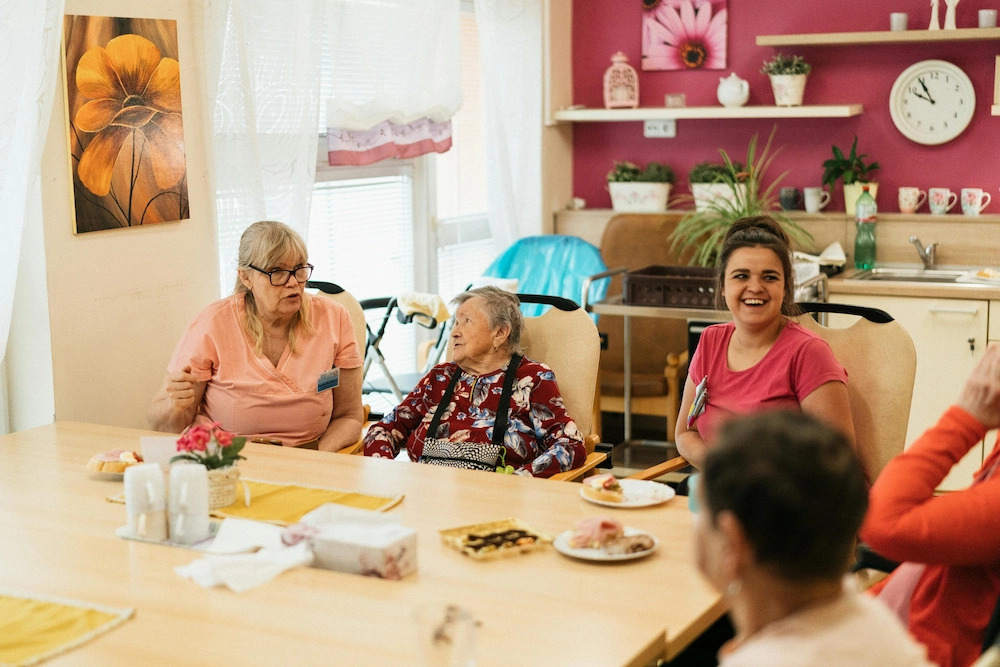
Illustrative image. Photographs of this home have not yet been added.
Haydock Lodge
Nursing Care
3 March 2026
TRU (Transitional Rehabilitation Unit) Ltd
30 beds
Rating history
- Sept 2015
- Apr 2017
- May 2026
Improved from Good to Outstanding in 2026. CQC has rated this home 3 times since 2015.
Source: CQC inspection reports. Contains CQC data licensed under the Open Government Licence v3.0.
Costs and who runs this home
Run by TRU (Transitional Rehabilitation Unit) Ltd, which runs 4 care homes in England: 1 rated Outstanding and 3 Good.
- NHS-funded Nursing Care pays £267.68 a week to the home towards registered nursing care for eligible residents (2026/27). A quoted fee may already exclude it.
- How to pay for a care home explains the council means test, what counts as capital and the funding you can ask to be assessed for.
About Haydock Lodge
Haydock Lodge is a nursing care home in St. Helens providing rehabilitation support for people living with an acquired brain injury. Further details from the latest CQC inspection are set out below.
Haydock Lodge in St. Helens is a residential care home offering specialist rehabilitation for up to 30 people living with an acquired brain injury, with 12 people living there at the time of inspection. The CQC rated the service outstanding overall, finding staff highly skilled in brain injury care, risks well managed and medicines handled safely, with a clean, calm environment and consistent staffing.
Inspectors found care exceptionally person-centred, with people supported to build independence and achieve meaningful rehabilitation goals. People and families described staff as kind, trustworthy and attentive, feeling safe, listened to and genuinely involved in decisions about their lives. Leadership was experienced and visible, with strong governance and a culture focused on continuous improvement.
Source: CQC assessment, 8 May 2026
Specialist Care
Fees and availability
We have not verified a current weekly fee for this home. Ask for a written quote based on the room and care needed, including any extra charges.
Check current vacancies, the admission assessment and visiting arrangements directly with the home.
Care and inspection details
Checked against the CQC register on 20 September 2026. This is a check of published information, not a visit to the home.
- Registered service
- Care home service with nursing; Rehabilitation services
- Registered capacity
- 30 places — this is not a vacancy count
- Registration checked
- Registered · WA12 0HW
Registered care categories
Caring for adults under 65 yrs; Caring for people whose rights are restricted under the Mental Health Act; Mental health conditions; Physical disabilities; Sensory impairment; Substance misuse problems.
These describe the registration. The home must assess whether it can meet the individual person's needs and whether a place is available.
CQC ratings in more detail
Overall rating shown by CQC: .
Assessment published 8 May 2026. Assessment date recorded: 3 March 2026.
Read CQC's assessment overview
The following is CQC's published account of its assessment, published 8 May 2026. References to “we” mean CQC. It describes findings at that time.
Haydock Lodge was assessed between 26 March and 2 April 2025. The service is a residential care home providing specialist rehabilitation and accommodation for up to 30 people living with an acquired brain injury, across the Newton, Willows and Lowton Units. At the time of inspection, 12 people were living at the service. The assessment was prompted due to an aged rating.
People were protected from harm because staff understood risks well, acted promptly when issues arose and used clear, regularly reviewed assessments to guide practice. The environment was clean, calm and well maintained, and staffing levels ensured people received consistent support from staff who knew them well. Medicines were managed safely, and incidents were reviewed to support learning and improvement.
Care and support were effective and led to positive rehabilitation outcomes. Staff had strong knowledge and skills in acquired brain injury and used this to tailor support around people’s strengths and aspirations. The multidisciplinary team worked cohesively, ensuring care plans were current, meaningful and centred on rehabilitation goals. People were supported to take an active role in their recovery, and communication with families and external professionals was well coordinated.
Staff were consistently kind, respectful and patient. People told us they felt listened to and valued, and we observed interactions which reflected warmth, understanding and trust. Privacy, dignity and individual identity were central to care, and people were supported to maintain relationships important to them.
The service responded well to people’s changing needs. Support plans were personalised, and therapeutic and daily living activities were tailored for each person. People felt their views were taken seriously, and concerns or complaints were handled appropriately. Transitions out of the service were planned carefully and thoughtfully.
The service was well led, with experienced and visible managers who promoted a positive, open and improvement‑focused culture. Governance systems provided strong oversight of quality and safety, and feedback from people and professionals was used to drive development. There was a clear commitment to independence, rehabilitation and person‑centred practice. Innovative therapeutic approaches and consistent staff engagement contributed to areas of outstanding practice, and people achieved meaningful, sustained progress as a result.
- Safe
- Effective
- Caring
- Responsive
- Well-led
Contains Care Quality Commission information under the Open Government Licence v3.0. Ratings and registration details can change after the date checked.
5 Questions to Ask on Your Visit
When visiting Haydock Lodge, consider asking...
- 1.How many qualified nurses are on duty overnight and at weekends?
- 2.How do you manage a resident's relationship with their GP and hospital team?
- 3.What is your approach when a resident's condition deteriorates quickly?
- 4.What additional charges apply beyond the weekly fee?
- 5.How do you approach end of life care and involve families in those decisions?
5 Things to Look For on Your Visit
When you visit Haydock Lodge, look out for...
- 1.Is the nursing station visible and staffed, or hard to find?
- 2.Do staff respond promptly when a resident needs attention?
- 3.Are call bells answered quickly or left ringing?
- 4.Does the home feel calm or rushed and understaffed?
- 5.Are residents' medical records and care plans visible and up to date?
Could the NHS fund Haydock Lodge's fees?
The average nursing home costs £1,535 per week. That's £79,820 a year. NHS Continuing Healthcare could cover all of it. No means test, no contribution from you.
Location
200 Ashton Road, Newton-le-Williows, Merseyside, WA12 0HW
Haydock Lodge
CQC overall rating
Assessment date: 3 March 2026
Helpful Guides
Have a question about this care home?
Ask in our Community Forum and get a real answer from someone who's been through it.
Share what's on your mindFind Out If Haydock Lodge Is Right for You
Start the conversation and request a callback from this home.
A free daily companion for someone with dementia
Shows the date, weather, family photos, and a daily question. Set up in 10 minutes.
Other Care Homes Near WA12 0HW
Listings with similar recorded care types and specialisms are shown first. Confirm care needs and availability directly with each home.

Ashton View Nursing Home
Wigan Road, Ashton-in-makerfield, Wigan
Nursing care
1.5 miles away (straight-line distance)
Abbeyrose Court
Piele Road, Haydock, St. Helens
Nursing care
1.5 miles away (straight-line distance)
Alexandra Care Home
Wargrave Road, Newton-le-willows
Nursing care
1.6 miles away (straight-line distance)
Garswood House Residential Care Home
Garswood House, Wentworth Road, Ashton In Makerfield, Wigan, Lancashire
Residential and nursing care
1.9 miles away (straight-line distance)

Ashwood Court Supportive Pathways
Woodford Avenue, Lowton, Warrington, Cheshire
Nursing care
2.1 miles away (straight-line distance)
St Mary's Continuing Care
Penny Lane, Collins Green, Warrington, Cheshire
Nursing care
2.5 miles away (straight-line distance)