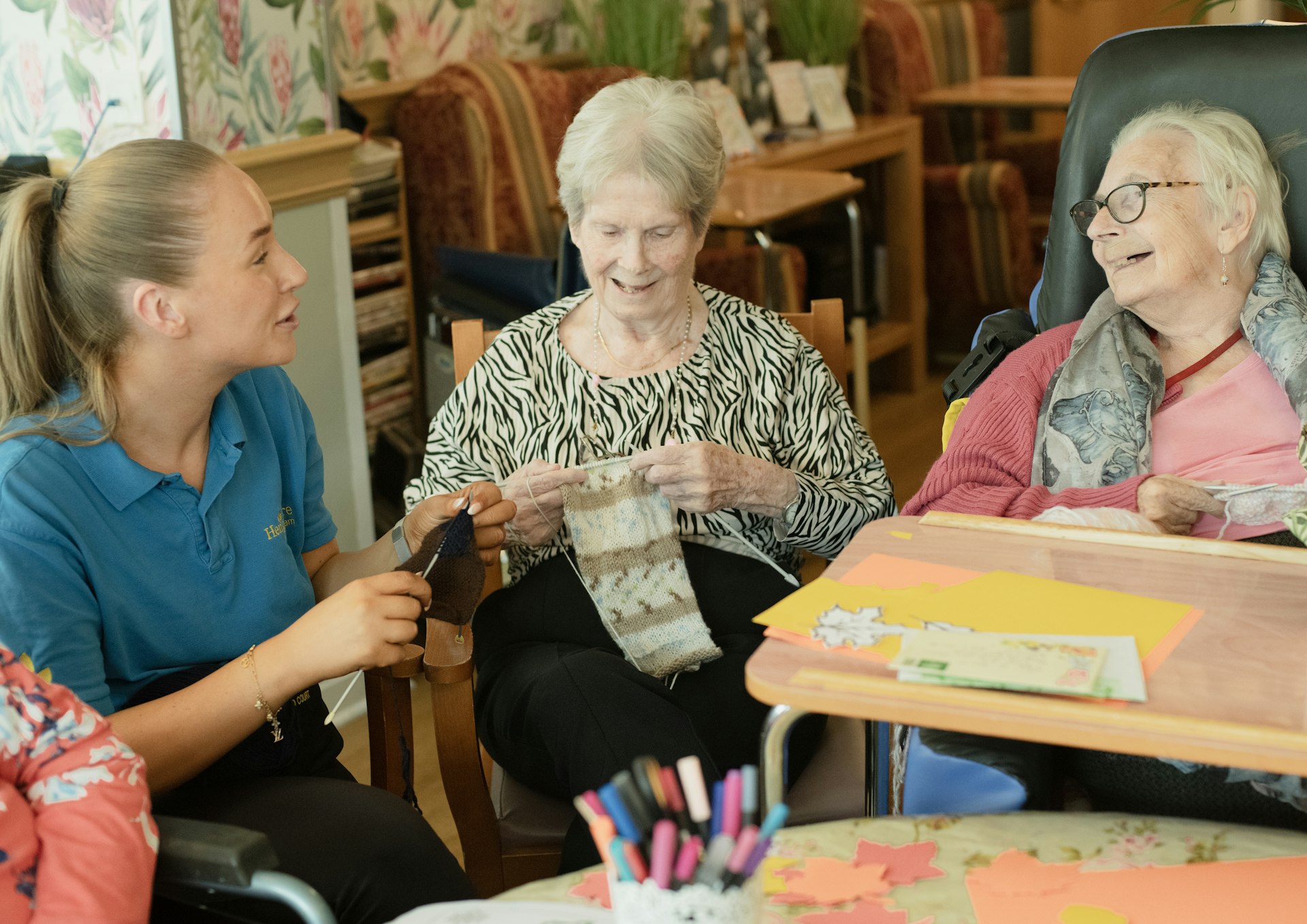
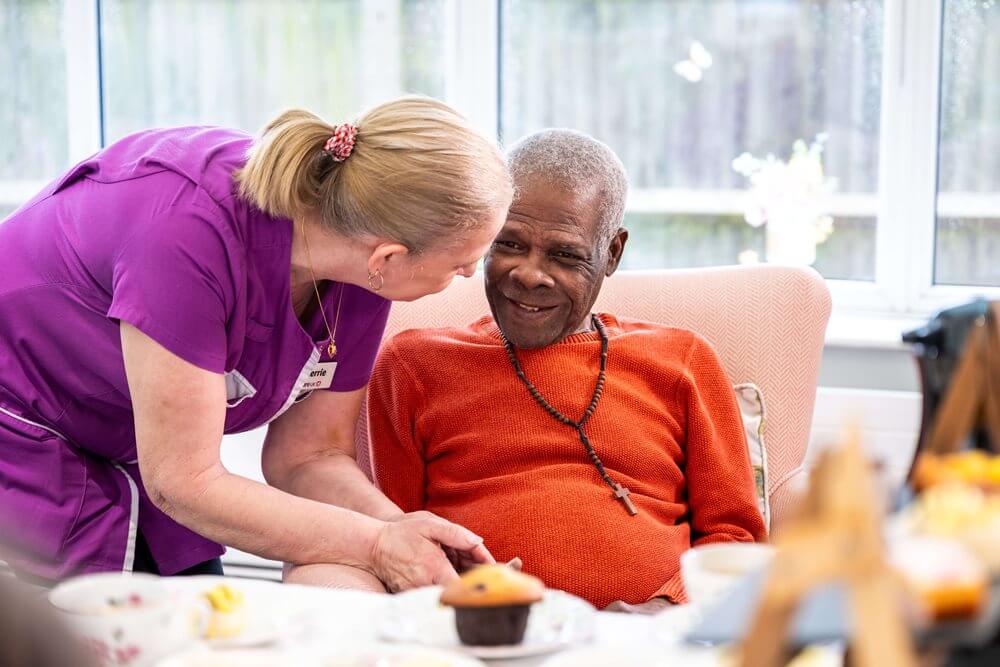
Illustrative image. Photographs of this home have not yet been added.
Ashleigh Manor Residential Care Home
Residential Care
3 February 2026
Ashleigh Manor Residential Care Home
65 beds
About Ashleigh Manor Residential Care Home
Ashleigh Manor Residential Care Home is a residential care home in Plymouth, providing care for older people, including some living with dementia or physical frailty. The findings from the most recent CQC inspection are set out below.
Ashleigh Manor Residential Care Home provides care and support for up to 65 older people, including some living with dementia or physical frailty. The CQC rated the home inadequate and it remains in special measures, following a check on whether earlier warning notices had been met. Inspectors found seven breaches of legal requirements, covering safeguarding, safe care, consent, staffing, dignity and governance.
Some improvements had been made to medicines recording and the environment, and leadership presence had increased, but these gains were not embedded. Risks around falls, skin care, nutrition and medicines were inconsistently managed, care plans were often generic, and mental capacity assessments were not always properly followed. Families gave mixed feedback, praising kind staff while noting delays and inconsistent personal care.
Source: CQC assessment, 30 July 2026
Specialist Care
Fees and availability
We have not verified a current weekly fee for this home. Ask for a written quote based on the room and care needed, including any extra charges.
Check current vacancies, the admission assessment and visiting arrangements directly with the home.
Care and inspection details
Checked against the CQC register on 20 September 2026. This is a check of published information, not a visit to the home.
- Registered service
- Care home service without nursing
- Registered capacity
- 65 places — this is not a vacancy count
- Registration checked
- Registered · PL7 4JU
Registered care categories
Caring for adults over 65 yrs; Caring for adults under 65 yrs; Dementia; Physical disabilities.
These describe the registration. The home must assess whether it can meet the individual person's needs and whether a place is available.
CQC ratings in more detail
Overall rating shown by CQC: .
Assessment published 30 July 2026. Assessment date recorded: 3 February 2026.
Read CQC's assessment overview
The following is CQC's published account of its assessment, published 30 July 2026. References to “we” mean CQC. It describes findings at that time.
Date of assessment: 28 April 2026 to 15 May 2026.
Ashleigh Manor Residential Care Home is a 'care home' that provides care and support for a maximum of 65 older people, some of whom are living with dementia and/or physical frailty. At the time of the assessment,55people were living at the service.
The purpose of this assessment was to check whether the Warning Notices served in relation to breaches of regulation for safe care and treatment, safeguarding and governance following our previous assessment in September 2025,had been met. Our assessmentidentified7breaches of legal requirements in relation to safeguarding, safe care and treatment, need for consent, person-centred care, dignity, staffing, and good governance.
People were not always protected from the risk of harm because staff did not consistently have all the information needed to meet people’s needs safely. Following the previous assessment, the provider and registered manager had taken some action to improve the service. There were improvements in areas such as aspects of medicines management, the recording of topical medicines, and the environment, including reduced odour and some improvements to infection prevention and control. Governance systems had been strengthened and there was evidence of increased leadership presence and engagement with staff. Staff and external professionals also provided some positive feedback about the caring approach of staff and communication within the service.
However, these improvements were not consistently embedded and did not ensure people always received safe, person-centred care. Evidence from care records, staff feedback and direct observation showed ongoing and widespread concerns. Care plans and risk assessments were often generic, inconsistent or contained conflicting information, and did not always reflect people’s current needs. This meant staff did not always have clear guidance to provide safe care.
People were not always protected from avoidable harm. The management of risks relating to falls, skin integrity, nutrition, epilepsy and environmental safety was inconsistent. In some cases, identified risks had not been assessed or mitigated, and staff did not always follow care plans. Medicines were not always managed safely, with gaps in administration records, issues with storage and a lack of clear protocols for some high-risk medicines.
People’s rights were not always upheld. The provider did not always follow the principles of the Mental Capacity Act 2005. We found inconsistencies in capacity assessments, best interest decision-making and the use of restrictive practices. Some restrictions on people’s care and movement were in place without appropriate legal frameworks or clear documentation.
Staffing systems did not always ensure staff had the skills, training and support they needed. Training records showed gaps in mandatory training, supervision and competency checks were not consistently effective. Staff told us they often relied on verbal handovers rather than care records, which increased the risk of inconsistent care delivery.
Governance systems remained ineffective in identifying and addressing risks. Although audits and oversight processes had been introduced or strengthened, they had not identified the concerns we found during this assessment. This meant leaders did not always have an accurate understanding of the quality and safety of the service.
At this assessment, the overall rating remains inadequate. This service remains in special measures. The purpose of special measures is to ensure that services providing inadequate care make significant improvements. Special measures provide a framework within which we use our enforcement powers in response to inadequate care and provide a timeframe within which providers must improve the quality of the care they provide.
In instances where CQC has begun a process of regulatory action, we may publish this information on our website after any representations and/or appeals have been concluded. In addition, we have asked the provider for an action plan in response to the concerns found at this assessment.
- Safe
- Effective
- Caring
- Responsive
- Well-led
Questions prompted by these ratings
- Safe: What changes have been made to medicines, staffing and safeguarding since this rating?
- Effective: How are staff training, nutrition and health outcomes checked now?
- Caring: How do staff protect privacy, dignity and each person’s choices?
- Responsive: How are care plans, activities and complaints adapted to each resident?
- Well-led: What has changed in management, checks and oversight since this rating?
These are questions for your visit, not a claim about conditions today.
Read Ashleigh Manor Residential Care Home's CQC record and reports.
Contains Care Quality Commission information under the Open Government Licence v3.0. Ratings and registration details can change after the date checked.
5 Questions to Ask on Your Visit
When visiting Ashleigh Manor Residential Care Home, consider asking...
- 1.What specific dementia training do staff receive and how recently?
- 2.How do you support a resident who becomes distressed or confused?
- 3.How does the home keep a record of a resident's life history and personal preferences?
- 4.How do you involve families as dementia progresses and communication becomes harder?
- 5.What happens when a resident's dementia reaches an advanced stage?
5 Things to Look For on Your Visit
When you visit Ashleigh Manor Residential Care Home, look out for...
- 1.Is the environment calm, uncluttered and easy to navigate?
- 2.Do staff speak to residents with patience and dignity, even if they repeat themselves?
- 3.Are there memory cues around the home -- photos, familiar objects, clear signage?
- 4.Do residents seem settled and safe, or agitated and unsupervised?
- 5.Is there meaningful activity happening, or are residents just sitting quietly with nothing to do?
Could the NHS fund Ashleigh Manor Residential Care Home's fees?
The average nursing home costs £1,535 per week. That's £79,820 a year. NHS Continuing Healthcare could cover all of it. No means test, no contribution from you.
Location
1 Vicarage Road, Plympton, Plymouth, Devon, PL7 4JU
Ashleigh Manor Residential Care Home
CQC overall rating
Assessment date: 3 February 2026
Helpful Guides
Have a question about this care home?
Ask in our Community Forum and get a real answer from someone who's been through it.
Share what's on your mindFind Out If Ashleigh Manor Residential Care Home Is Right for You
Start the conversation and request a callback from this home.
A free daily companion for someone with dementia
Shows the date, weather, family photos, and a daily question. Set up in 10 minutes.
Other Care Homes Near PL7 4JU
Listings with similar recorded care types and specialisms are shown first. Confirm care needs and availability directly with each home.
Plymbridge House
3 Plymbridge Road, Plympton, Plymouth, Devon
Residential care
0.1 miles away (straight-line distance)

Rockville Short Break
37 Stone Barton Close, Plymouth
Residential care
0.2 miles away (straight-line distance)
The Old School House Care Home
38 Merafield Road, Plymouth
Residential care
0.4 miles away (straight-line distance)
Amberley House - Plymouth
171-175 Ridgeway, Plymouth, Devon
Residential care
0.6 miles away (straight-line distance)
Ridgecott
189 Ridgeway, Plympton, Plymouth, Devon
Residential care
0.6 miles away (straight-line distance)
The Long Brook Residential Home
79 Fore Street, Plympton, Plymouth, Devon
Residential care
0.8 miles away (straight-line distance)