
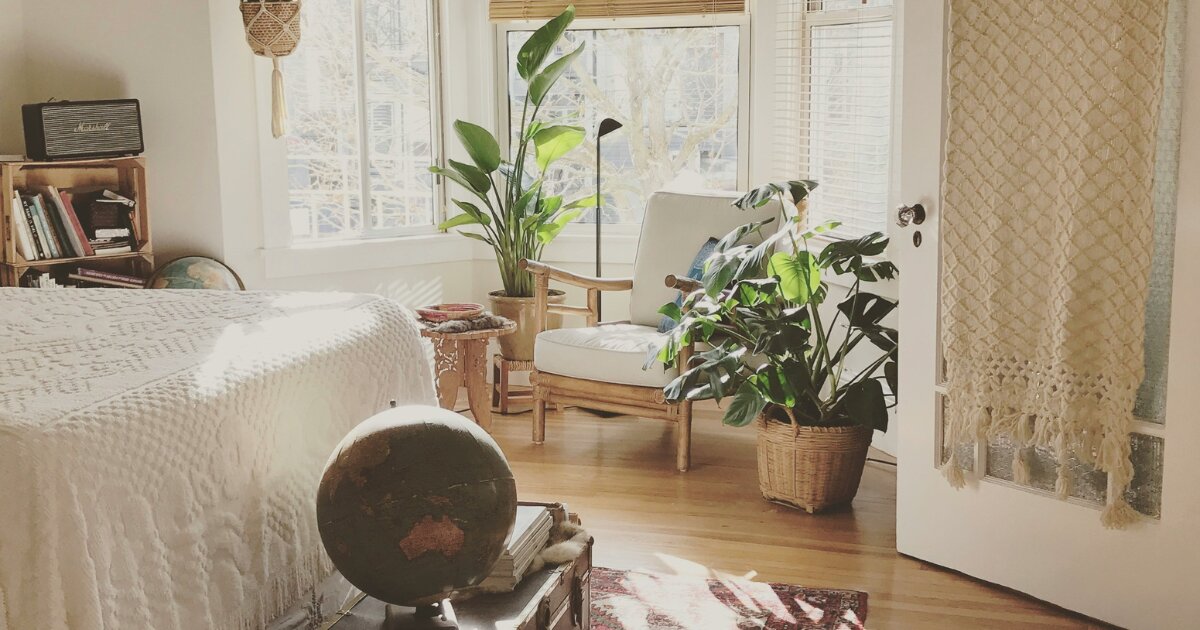
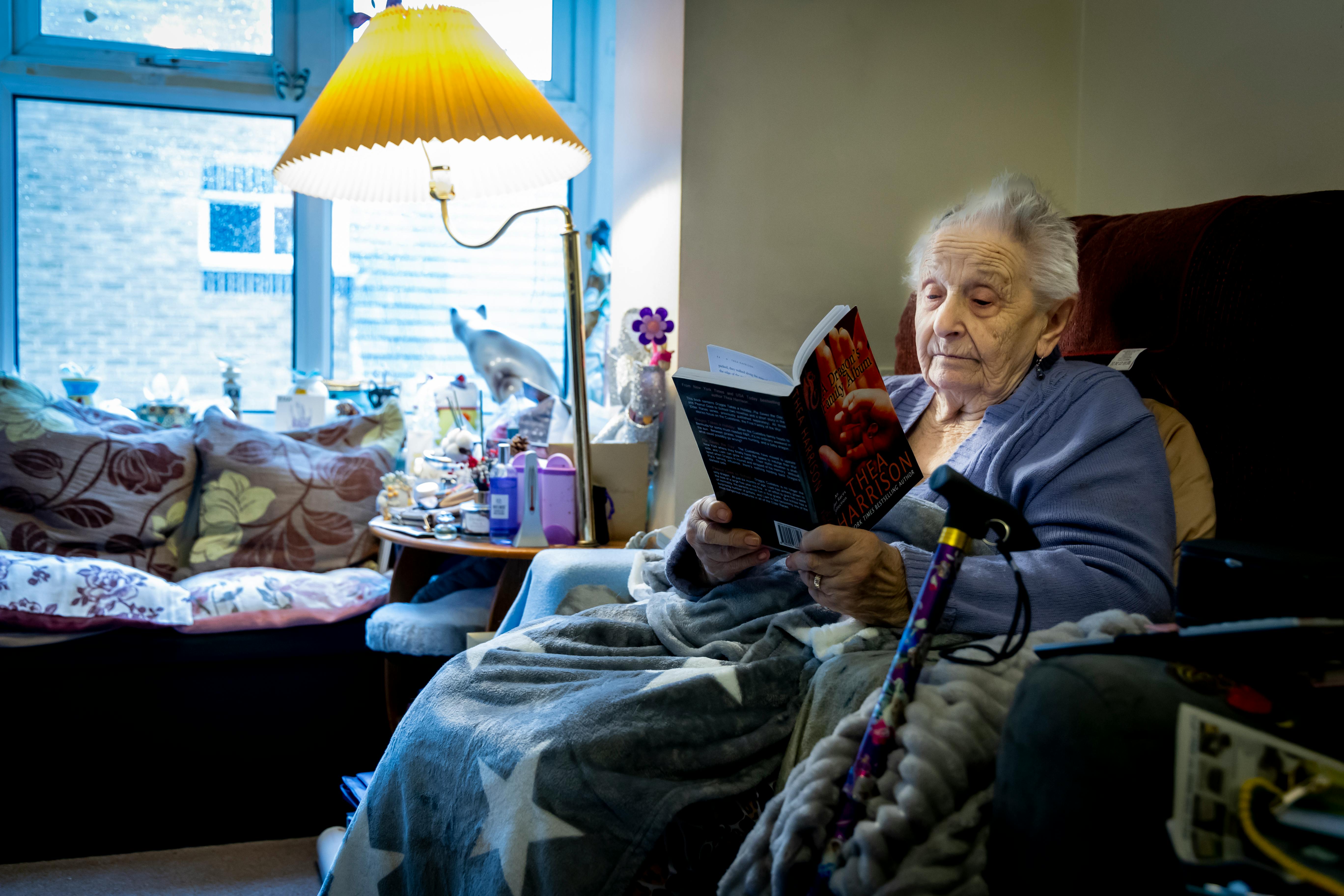
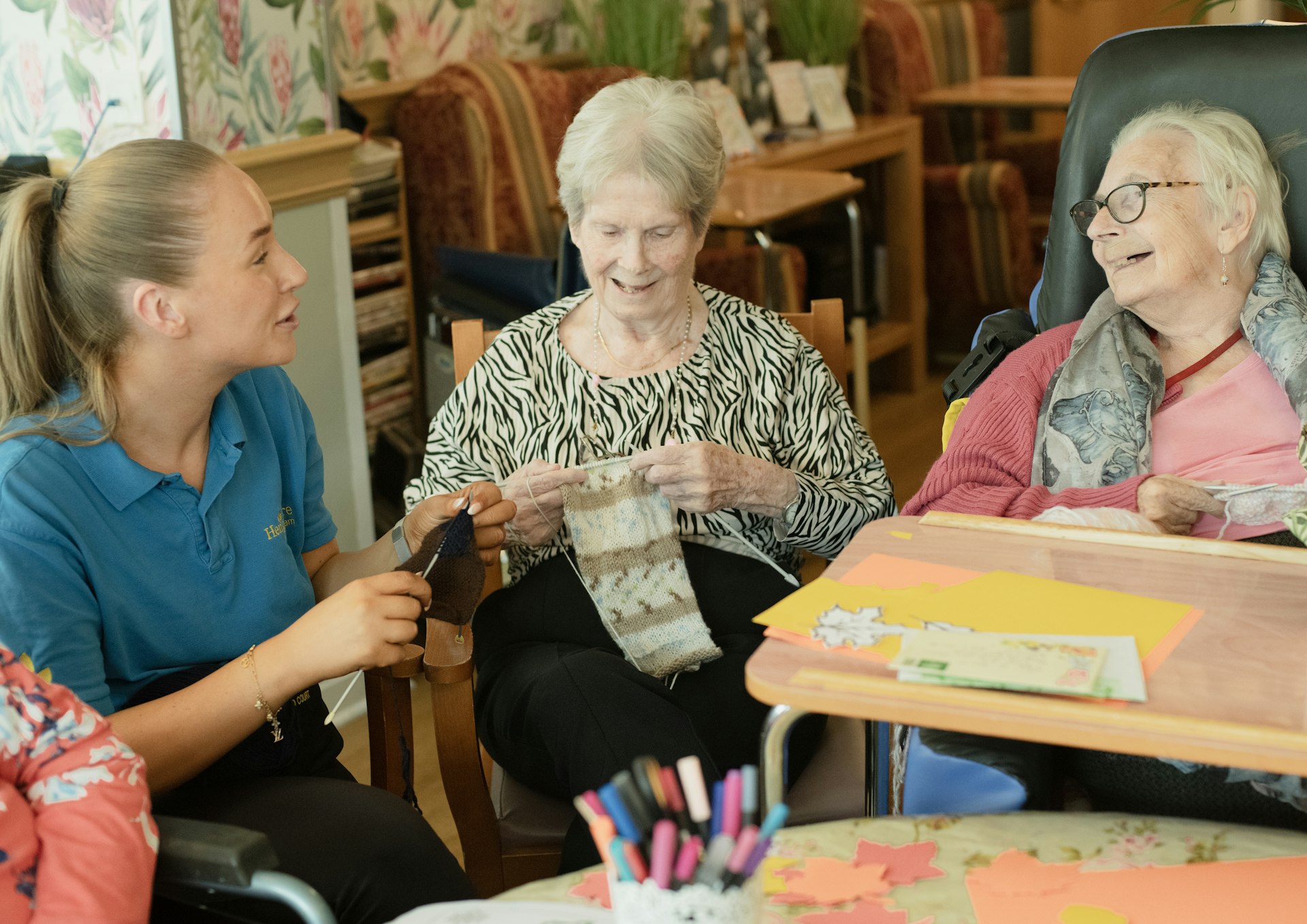
Illustrative image. Photographs of this home have not yet been added.
The Court
Residential Care
24 March 2026
North East Autism Society
3 beds
About The Court
The Court is a residential care home located in Sunderland, North East. Its registered care categories include learning disabilities. The home has 3 beds. CQC records an overall rating of Good, published in April 2026. The home is operated by North East Autism Society.
Specialist Care
Fees and availability
We have not verified a current weekly fee for this home. Ask for a written quote based on the room and care needed, including any extra charges.
Check current vacancies, the admission assessment and visiting arrangements directly with the home.
Care and inspection details
Checked against the CQC register on 21 September 2026. This is a check of published information, not a visit to the home.
- Registered service
- Care home service without nursing
- Registered capacity
- 3 places — this is not a vacancy count
- Registration checked
- Registered · SR2 7QG
Registered care categories
Learning disabilities.
These describe the registration. The home must assess whether it can meet the individual person's needs and whether a place is available.
CQC ratings in more detail
Overall rating shown by CQC: .
Assessment published 20 April 2026. Assessment date recorded: 24 March 2026.
Read CQC's assessment overview
The following is CQC's published account of its assessment, published 20 April 2026. References to “we” mean CQC. It describes findings at that time.
Date of Assessment: 23 to 31 March 2026. The Court is a care home providing long term support for up to 3 autistic people. The registered manager oversees The Court, Inverthorne and Moorpine, which are 3 domestic sized care homes next door to each other. At the time of inspection, 3 people were living at The Court. We completed this inspection as part of our routine programme, and because of the length of time since the last full inspection was completed.
People had lived at the service for many years and appeared very content. Relatives described the service as a place where their family members felt at home and spoke positively about the stability of care and the strong relationships people had built with staff. Staff supported people to access the community, attend health appointments and take part in meaningful activities that reflected their preferences and interests.
We have assessed the service against ‘Right support, right care, right culture’ guidance to make judgements about whether the provider guaranteed people with a learning disability and autistic people respect, equality, dignity, choices, independence and good access to local communities that most people take for granted. We found these principles were followed.
Overall, the evidence showed that people received person-centred care that promoted choice, independence and inclusion. People were supported using structured communication approaches such as Picture Exchange Communication System (PECS) and Makaton, and staff described how this helped people to express their preferences and reduce anxiety. Care was planned around people’s strengths and aspirations, and staff supported people to access community healthcare services in a personalised way. These approaches reflected right support and right care in practice.
People appeared relaxed with staff, and families spoke positively about the care and support their relatives received. Staff knew people well and described how consistent staffing helped build trusting relationships. The Space, Task, Equipment, and People (STEP) approach was embedded across the service and contributed to a reduction in incidents and a calmer environment. Risk assessments were detailed and regularly reviewed, supporting people to take positive and proportionate risks while avoiding unnecessary restrictions.
Staff raised concerns about being understaffed at times, there being a reliance on inexperienced or restricted‑duty staff, and an unsafe skill mix during higher‑risk situations in the community. There were also concerns about how poor practice and errors were addressed. The registered manager immediately took steps to resolve these issues and sought the support of independent managers to provide a safe space for staff to discuss matters.
Staff worked effectively with health and social care professionals, including learning disability teams, GPs and therapy services. People were treated with dignity and respect, and staff demonstrated empathy and warmth in their interactions. People were supported to make choices, and take positive risks in ways that were proportionate and respectful of their rights. Equality, diversity and inclusion were embedded in practice, with people’s cultural, religious and personal identities understood and respected.
- Safe
- Effective
- Caring
- Responsive
- Well-led
Contains Care Quality Commission information under the Open Government Licence v3.0. Ratings and registration details can change after the date checked.
5 Questions to Ask on Your Visit
When visiting The Court, consider asking...
- 1.What happens if my relative's care needs increase significantly -- will they have to move?
- 2.How do you handle concerns or complaints from families?
- 3.What does the monthly fee cover and what will cost extra?
- 4.How do you keep families informed about their relative's day-to-day wellbeing?
- 5.What happens if my relative is unhappy here?
5 Things to Look For on Your Visit
When you visit The Court, look out for...
- 1.Do staff greet residents by name and stop to chat?
- 2.Are residents dressed, up and occupied, or sitting alone in front of a TV?
- 3.Does the home smell fresh and feel clean without being clinical?
- 4.Do residents look comfortable and at ease, or anxious and withdrawn?
- 5.Does the manager answer your questions openly or deflect?
Could the NHS fund The Court's fees?
The average nursing home costs £1,535 per week. That's £79,820 a year. NHS Continuing Healthcare could cover all of it. No means test, no contribution from you.
Location
22 Thornholme Road, Sunderland, Tyne and Wear, SR2 7QG

The Court
CQC overall rating
Assessment date: 24 March 2026
Helpful Guides
Have a question about this care home?
Ask in our Community Forum and get a real answer from someone who's been through it.
Share what's on your mindFind Out If The Court Is Right for You
Start the conversation and request a callback from this home.
A free daily companion for someone with dementia
Shows the date, weather, family photos, and a daily question. Set up in 10 minutes.
Other Care Homes Near SR2 7QG
Listings with similar recorded care types and specialisms are shown first. Confirm care needs and availability directly with each home.
Inverthorne
20 Thornholme Road, Sunderland, Tyne and Wear
Residential care
0.0 miles away (straight-line distance)
Moorpine
18 Thornholme Road, Sunderland, Tyne and Wear
Residential care
0.0 miles away (straight-line distance)
Brentwood
5 Thornholme Road, Sunderland, Tyne and Wear
Residential care
0.1 miles away (straight-line distance)

Beechwood
29 Thornholme Road, Ashbrooke, Sunderland, Tyne And Wear
Residential care
0.2 miles away (straight-line distance)
Dunelm
115 Dunelm South, Sunderland, Tyne and Wear
Residential care
0.2 miles away (straight-line distance)
Rosehill
31 Thornholme Road, Sunderland, Tyne and Wear
Residential care
0.2 miles away (straight-line distance)