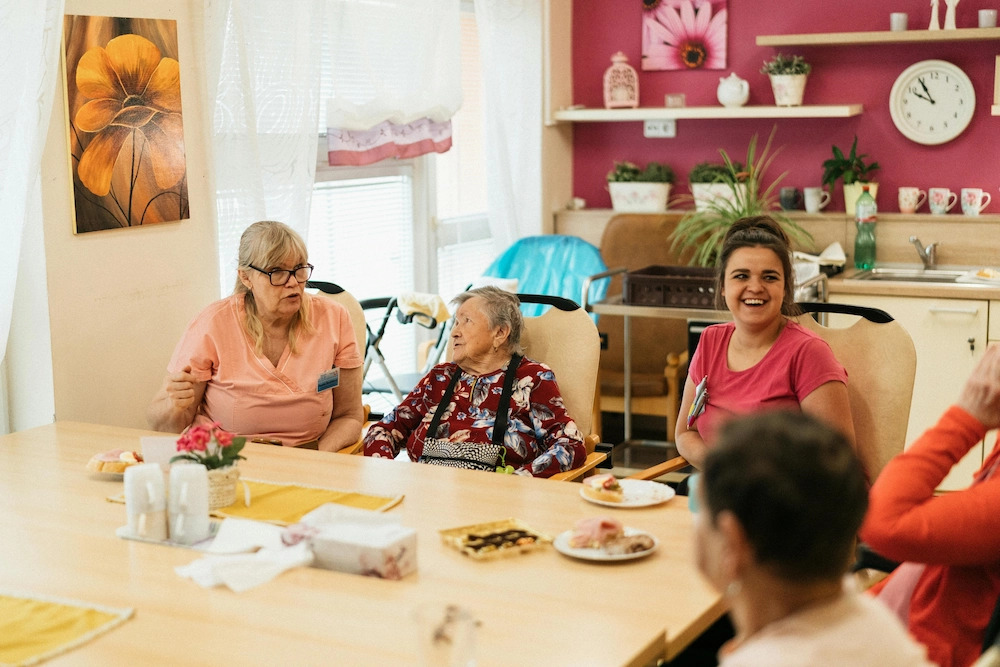
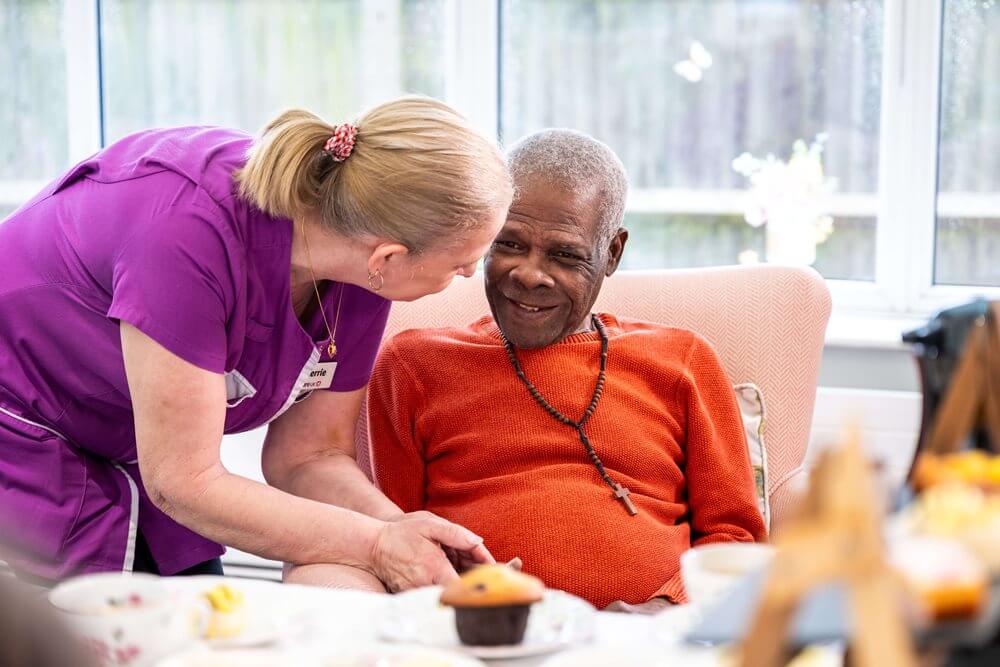
Illustrative image. Photographs of this home have not yet been added.
Flora Innes House
Residential Care
27 April 2026
Solden Hill House Limited
9 beds
About Flora Innes House
Flora Innes House is a residential care home in West Northamptonshire, providing support to people with learning disabilities and complex needs. The findings below set out the CQC's most recent assessment of the service.
Flora Innes House, in West Northamptonshire, is a care home providing support to a small number of people with learning disabilities and complex needs. The CQC rated it Outstanding overall, following an assessment that found exceptionally kind, person-centred care from a skilled and knowledgeable staff team who knew people extremely well.
Inspectors found that people were fully involved in decisions about their care, their communication needs were well understood, and risks were managed safely while supporting positive risk-taking. Leadership was found to be excellent, with strong governance and a culture of trust, and external partners praised the management team's communication and approach.
Source: CQC assessment, 18 June 2026
Specialist Care
Fees and availability
We have not verified a current weekly fee for this home. Ask for a written quote based on the room and care needed, including any extra charges.
Check current vacancies, the admission assessment and visiting arrangements directly with the home.
Care and inspection details
Checked against the CQC register on 20 September 2026. This is a check of published information, not a visit to the home.
- Registered service
- Care home service without nursing
- Registered capacity
- 9 places — this is not a vacancy count
- Registration checked
- Registered · NN11 6XH
Registered care categories
Learning disabilities.
These describe the registration. The home must assess whether it can meet the individual person's needs and whether a place is available.
CQC ratings in more detail
Overall rating shown by CQC: .
Assessment published 18 June 2026. Assessment date recorded: 27 April 2026.
Read CQC's assessment overview
The following is CQC's published account of its assessment, published 18 June 2026. References to “we” mean CQC. It describes findings at that time.
This inspection took placefrom 29 April 2026 to 26 May 2026.
There was a registered manager in post at the time of our inspection. There was a lead inspector, and an Expert by Experience carrying out the inspection.
Flora Innes House is a care home that provides care to people that have learning disabilities with complex support needs. At the time of the inspection seven people were being supported with regulated activity.
We spoke to people living at the service, relatives, external stakeholders, staff, and managers. We reviewed care records and visited the service. One of these visits was out of normal office hours. We reviewed audits, and saw policies including business continuity plans, safeguarding, recruitment, and whistleblowing.
We assessed the service against ‘Right support, right care, right culture’ guidance to make judgements about whether the provider guaranteed people with a learning disability and autistic people the respect, equality, dignity, choices, independence and good access to local communities that most people take for granted.
People who lived at Flora Innes House were consistently treated with kindness and compassion. The service provided exceptionally tailored care, and support from a compassionate, trained staff team, who were skilled, knowledgeable, and able to meet people’s holistic needs.
Managers ensured that staff had relevant training, regular supervision and appraisal tailored to the needs of the people they were providing care and support to. They also considered any future needs. If restrictive practices were used, this was only after a full assessment, and often in response to positive risk taking. However, systems were in place with reviews to ensure the least restrictive options were being used and were in line with people’s best interests. Staff fully understood their roles and responsibilities under the Human Rights Act 1998, Equality Act 2010, Mental Health Act1983 and the Mental Capacity Act 2005. Staff protected the privacy and dignity of people they supported.
Staff supported people with recognised models of care and best practice for people with a learning disability or autistic people. People , their relatives, and relevant stakeholders were fully involved and integral in their assessments of their needs with evidence of joint meetings and specific requests acted upon. Staff recognised the importance of family and significant effort was made to ensure contact, and support people with any losses. An example of this was supporting a person to plant and nurture flowers in the garden in memory of the loss of somebody close to them.
Staff fully understood and supported people’s preferred communication methods to ensure they could maximise their involvement in reviews of their personal and health needs. These methods were regularly reviewed, and staff evidenced their understanding of people's needs by adapting these as needed. Care was based on latest evidence and good practice, both as an approach but also daily observations of people. On one day of inspection, Public Health had issued weather warnings ,and the manager was proactive in sharing this. Staff were observed to be following it. Leadership was excellent, and governance processes helped the service to keep people safe, protect there human rights and provide good care and support. The ethos, values, attitudes and behaviours of leaders and care staff were aligned. This helped to ensure people using services led confident, inclusive and empowered lives. The model of care and setting fully maximised people’s choice, control and independence. Care provision was exceptionally person-centred, ensuring people’s dignity, privacy and human rights were fully respected.
Staff worked closely with all agencies involved in people’s care and strived for the best outcomes for people. They monitored people’s health to support healthy living and reduce potential health inequalities. Staff made sure people understood their care and treatment using appropriate communication aids and, if needed, found other innovative ways of communicating to support people’s autonomy.
The service was easy to access and worked to eliminate discrimination. People received fair and equitable care and treatment. Staff worked to reduce health and care inequalities through training and feedback. External health partners told us communication with the registered manager was excellent, reflecting a culture of trust and partnership.
Leaders were visible, knowledgeable and supportive. Staff felt supported to give feedback and were treated equally. They understood their roles and responsibilities.
Feedback we received from all partners was positive, with external teams praising the approach of the management and staff team.
- Safe
- Effective
- Caring
- Responsive
- Well-led
Contains Care Quality Commission information under the Open Government Licence v3.0. Ratings and registration details can change after the date checked.
5 Questions to Ask on Your Visit
When visiting Flora Innes House, consider asking...
- 1.What happens if my relative's care needs increase significantly -- will they have to move?
- 2.How do you handle concerns or complaints from families?
- 3.What does the monthly fee cover and what will cost extra?
- 4.How do you keep families informed about their relative's day-to-day wellbeing?
- 5.What happens if my relative is unhappy here?
5 Things to Look For on Your Visit
When you visit Flora Innes House, look out for...
- 1.Do staff greet residents by name and stop to chat?
- 2.Are residents dressed, up and occupied, or sitting alone in front of a TV?
- 3.Does the home smell fresh and feel clean without being clinical?
- 4.Do residents look comfortable and at ease, or anxious and withdrawn?
- 5.Does the manager answer your questions openly or deflect?
Could the NHS fund Flora Innes House's fees?
The average nursing home costs £1,535 per week. That's £79,820 a year. NHS Continuing Healthcare could cover all of it. No means test, no contribution from you.
Location
16 High Street, Byfield, Daventry, Northamptonshire, NN11 6XH
Flora Innes House
CQC overall rating
Assessment date: 27 April 2026
Helpful Guides
Have a question about this care home?
Ask in our Community Forum and get a real answer from someone who's been through it.
Share what's on your mindFind Out If Flora Innes House Is Right for You
Start the conversation and request a callback from this home.
A free daily companion for someone with dementia
Shows the date, weather, family photos, and a daily question. Set up in 10 minutes.
Other Care Homes Near NN11 6XH
Listings with similar recorded care types and specialisms are shown first. Confirm care needs and availability directly with each home.

Solden Hill House
Banbury Road, Byfield, Daventry, Northamptonshire
Residential care
0.9 miles away (straight-line distance)
The Moors
51 London End, Upper Boddington, Daventry
Residential care
2.1 miles away (straight-line distance)
The Orchard
Malabar Fields, Daventry, Northamptonshire
Residential care
6.0 miles away (straight-line distance)
Farm Cottage
8 Milthorpe, Weedon Lois, Towcester, Northamptonshire
Residential care
6.5 miles away (straight-line distance)
Stone Cottage
8 Milthorpe, Weedon Lois, Towcester, Northamptonshire
Residential care
6.5 miles away (straight-line distance)
Blakesley
2 High Street, Blakesley, Towcester, Northamptonshire
Residential care
7.0 miles away (straight-line distance)