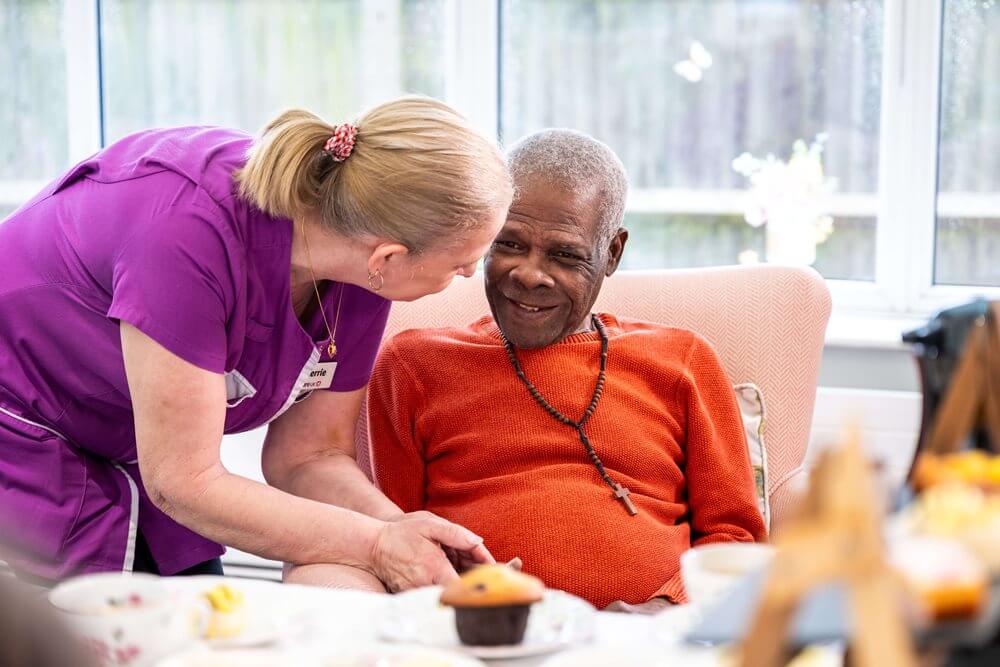
Illustrative image. Photographs of this home have not yet been added.
3L Care Limited
Nursing Care
8 January 2026
3L Care Limited
10 beds
About 3L Care Limited
3L Care Limited is a nursing home located in Cheshire West and Chester, North West. Its registered care categories include physical disabilities and younger adults. The home has 10 beds. CQC records an overall rating of Good, published in April 2026. The home is operated by 3L Care Limited.
Specialist Care
Fees and availability
We have not verified a current weekly fee for this home. Ask for a written quote based on the room and care needed, including any extra charges.
Check current vacancies, the admission assessment and visiting arrangements directly with the home.
Care and inspection details
Checked against the CQC register on 20 September 2026. This is a check of published information, not a visit to the home.
- Registered service
- Care home service with nursing
- Registered capacity
- 10 places — this is not a vacancy count
- Registration checked
- Registered · CW7 3AD
Registered care categories
Caring for adults over 65 yrs; Caring for adults under 65 yrs; Learning disabilities; Physical disabilities; Sensory impairment.
These describe the registration. The home must assess whether it can meet the individual person's needs and whether a place is available.
CQC ratings in more detail
Overall rating shown by CQC: .
Assessment published 1 April 2026. Assessment date recorded: 8 January 2026.
Read CQC's assessment overview
The following is CQC's published account of its assessment, published 1 April 2026. References to “we” mean CQC. It describes findings at that time.
Date of Assessment: 2 January to 19 February 2026. 3L Care Ltd is a residential and nursing home that supports autistic people, people with a learning disability, and people with physical and mental health conditions. Many people living there have complex health needs, such as neurological conditions, breathing difficulties, and behaviours that may be challenging.
The service can provide personal and nursing care, and treatment of disease, disorder and injury for up to 10 people. At the time of this assessment 8 people were receiving support with personal and nursing care, and treatment of disease, disorder and injury.
We carried out a responsive assessment of this specialist service following concerns raised related to how medicines were being managed and the use of restraint.
We have assessed the service against ‘Right support, right care, right culture’ guidance to make judgments about whether the provider guaranteed people with a learning disability and autistic people respect, equality, dignity, choices, independence and good access to local communities that most people take for granted.
At the time of the assessment, the service did not have a registered manager in post. A registered manager is the person legally responsible for running the service and making sure it meets all required standards. The current home manager was in the process of applying to become the registered manager.
The provider had been through a difficult period because of changes in management and ongoing staffing issues. During that time, there were safeguarding concerns, issues with medicines, and problems with how the environment was managed.
We found evidence that things had improved significantly. The service was becoming more stable, and positive changes had been put in place. These included stronger leadership, updated systems, and better outcomes for people using the service.
The provider had introduced effective safety measures. These included keeping an up-to-date record of risks, reviewing incidents quickly, using an electronic system to manage medicines, ensuring staff were properly trained, giving them regular supervision, and having proper oversight of safeguarding.
The leadership team was open about the previous problems and was taking sustained, meaningful action to put things right. Governance was moving away from short-term, reactive responses and towards more consistent, reliable and accountable ways of working.
Although many improvements had been made, we found problems with the safety of the environment and with infection control. These standards were not always kept up, which meant the environment was not always as safe or clean as it should be. The provider responded well to our feedback and took quick action to fix the issues we raised. We did not find evidence of widespread harm, but the provider needs to keep improving in these areas to make sure standards are met consistently.
Staff responded to people in a timely way. People were treated with kindness, and their dignity was respected. We observed calm, respectful and safe interactions in communal areas. Each person had a care plan that reflected how they preferred to spend their time, along with their individual wishes and preferences. Care plans showed good clinical understanding and a personalised approach to meeting each person’s needs. However, some parts of the risk assessment process still needed more consistency to make sure the information recorded is reliable.
Staff worked with all agencies involved in people’s care for the best outcomes and smooth transitions when moving services. They monitored people’s health to support healthy living. People had enough to eat and drink to stay healthy. However, some of the monitoring and review notes did not go into enough detail in the higher risk areas.
Staff helped people understand their care and treatment so they could give informed consent. They supported people to be involved in decisions and used communication aids when needed. When people could not make their own decisions, the provider involved those who were important to them to help make decisions in their best interests. However, written records for decision specific capacity assessments and explanations of why the least restrictive option was chosen were not always clear.
Health and social care professionals who work with the provider said communication had improved.
Most staff we spoke with told us morale had improved and leadership is clearer and more supportive.
- Safe
- Effective
- Caring
- Responsive
- Well-led
Contains Care Quality Commission information under the Open Government Licence v3.0. Ratings and registration details can change after the date checked.
5 Questions to Ask on Your Visit
When visiting 3L Care Limited, consider asking...
- 1.How many qualified nurses are on duty overnight and at weekends?
- 2.How do you manage a resident's relationship with their GP and hospital team?
- 3.What is your approach when a resident's condition deteriorates quickly?
- 4.What additional charges apply beyond the weekly fee?
- 5.How do you approach end of life care and involve families in those decisions?
5 Things to Look For on Your Visit
When you visit 3L Care Limited, look out for...
- 1.Is the nursing station visible and staffed, or hard to find?
- 2.Do staff respond promptly when a resident needs attention?
- 3.Are call bells answered quickly or left ringing?
- 4.Does the home feel calm or rushed and understaffed?
- 5.Are residents' medical records and care plans visible and up to date?
Could the NHS fund 3L Care Limited's fees?
The average nursing home costs £1,535 per week. That's £79,820 a year. NHS Continuing Healthcare could cover all of it. No means test, no contribution from you.
Location
Chapel Road, Winsford, Cheshire, CW7 3AD

3L Care Limited
CQC overall rating
Assessment date: 8 January 2026
Helpful Guides
Have a question about this care home?
Ask in our Community Forum and get a real answer from someone who's been through it.
Share what's on your mindFind Out If 3L Care Limited Is Right for You
Start the conversation and request a callback from this home.
A free daily companion for someone with dementia
Shows the date, weather, family photos, and a daily question. Set up in 10 minutes.
Other Care Homes Near CW7 3AD
Listings with similar recorded care types and specialisms are shown first. Confirm care needs and availability directly with each home.

3L Care Limited
The Old Chapel, 10 Crook Lane, Winsford, Cheshire
Nursing care
0.4 miles away (straight-line distance)

Winsford Grange Care Home
Station Road By Pass, Winsford
Nursing care
0.7 miles away (straight-line distance)

Overdene House
John Street, Winsford, Cheshire
Residential and nursing care
0.8 miles away (straight-line distance)

Westwood Court Care Home
Well Street, Winsford, Cheshire
Nursing care
1.0 miles away (straight-line distance)
Newton Court Care Home
28 St Ann's Road, Middlewich, Cheshire
Nursing care
2.6 miles away (straight-line distance)
Sandiway Lodge Nursing Home
Dalefords Lane, Sandiway, Northwich, Cheshire
Nursing care
4.0 miles away (straight-line distance)