
Selling Your Parents' House to Pay for Care Home Costs
If you're reading this, you're probably dealing with one of the most stressful situations a family can face. This guide explains everything you need to know: how the system works, when the house has to be sold, and how to actually get it done.
Last updated: April 2026
Does the House Have to Be Sold?
Not always, but often, yes.
In England, if your parent is moving into permanent residential care and their total assets (savings, investments, and property) are above £23,250, they're expected to pay for their own care. That threshold has been frozen since 2010.
The family home is usually counted as a capital asset, which means for most families, it's the thing that tips them over the threshold.
When the House is NOT Counted
- •A spouse or partner still lives there
- •A close relative aged 60 or over still lives there
- •A close relative under 60 who is incapacitated lives there
- •A child under 18 lives there
If none of these apply and your parent is moving into permanent care, the house will be included in the means test.
The 12-Week Property Disregard
Here's something most families don't know about.
When your parent first moves into permanent residential care, their home is automatically disregarded from the means test for the first 12 weeks. This gives families breathing room: time to think, get legal advice, and start the process.
Use those 12 weeks wisely.
What Are the Actual Costs?
Care home fees in England in 2026:
Residential Care
£49,000 – £68,000
per year
Nursing Care
£66,000 – £79,000
per year
That's roughly £4,000 – £6,500 per month. Paid in advance. Every month.
The average care home stay is around 2.5 years. At those costs, you can see why the family home often needs to be sold. For a full breakdown, see our guide to care home costs.
Before You Do Anything: Check NHS Continuing Healthcare
If your parent has complex health needs (severe dementia, advanced neurological conditions, or needs that are unpredictable and intensive), they may qualify for NHS Continuing Healthcare (CHC).
This is NHS-funded care, fully paid for regardless of assets. The means test doesn't apply.
Ask your parent's GP or the hospital discharge team to request a CHC checklist assessment. It's free and it's your right to ask.

Can You Give the House Away to Avoid the Means Test?
No. And trying to do so can backfire seriously.
If the local authority believes your parent deliberately gave away or sold assets to avoid paying for care (this is called deliberate deprivation), they can treat them as if they still own those assets and charge accordingly. They can also investigate transactions made years earlier.
Transferring the house to your name, selling it below market value, or gifting it away are all things the council can challenge. This is a legal minefield. Get proper legal advice first.
Deferred Payment Agreements: Buying Yourself Time
If your parent needs care now but the house hasn't sold yet, a Deferred Payment Agreement (DPA) might help.
A DPA is essentially a loan from your local council. They pay the care fees on your parent's behalf and register a charge against the property (similar to a mortgage). The debt builds up with interest until the house is eventually sold.
4.75% per annum
As of January 2026, reviewed every 6 months
When a DPA Makes Sense
- Your parent hopes to return home
- You need time to sort legal authority
- The family needs time to process a difficult decision
When It Probably Doesn't
- The care need is clearly permanent
- Interest charges will exceed the benefit
- There's urgency to release equity
Legal Authority: Can You Actually Sell the House?
This is the bit most families don't think about until it's too late.
You cannot sell your parent's house without legal authority to do so. Even if you're their child, you have no automatic right to sell their property on their behalf.
If Your Parent Still Has Mental Capacity
If your parent can understand what's happening and make their own decisions, they must consent to the sale. You can support them through the process but the decision is theirs.
If Your Parent Has Lost Mental Capacity
If your parent can no longer make decisions (due to advanced dementia, for example), you need one of two things:
Lasting Power of Attorney
If your parent set up a Property and Financial Affairs LPA while they had capacity, and you're named as attorney, you can sell on their behalf.
Cost: £82 to register
Court of Protection Deputyship
If no LPA exists, you'll need to apply to the Court of Protection. Takes 4–6 months with ongoing oversight.
Cost: £408 + £2,000–£5,000 solicitor fees
The lesson: if your parents are still well, encourage them to set up a Property and Financial Affairs LPA now.
It costs £82 to register. It could save thousands and months of stress later.
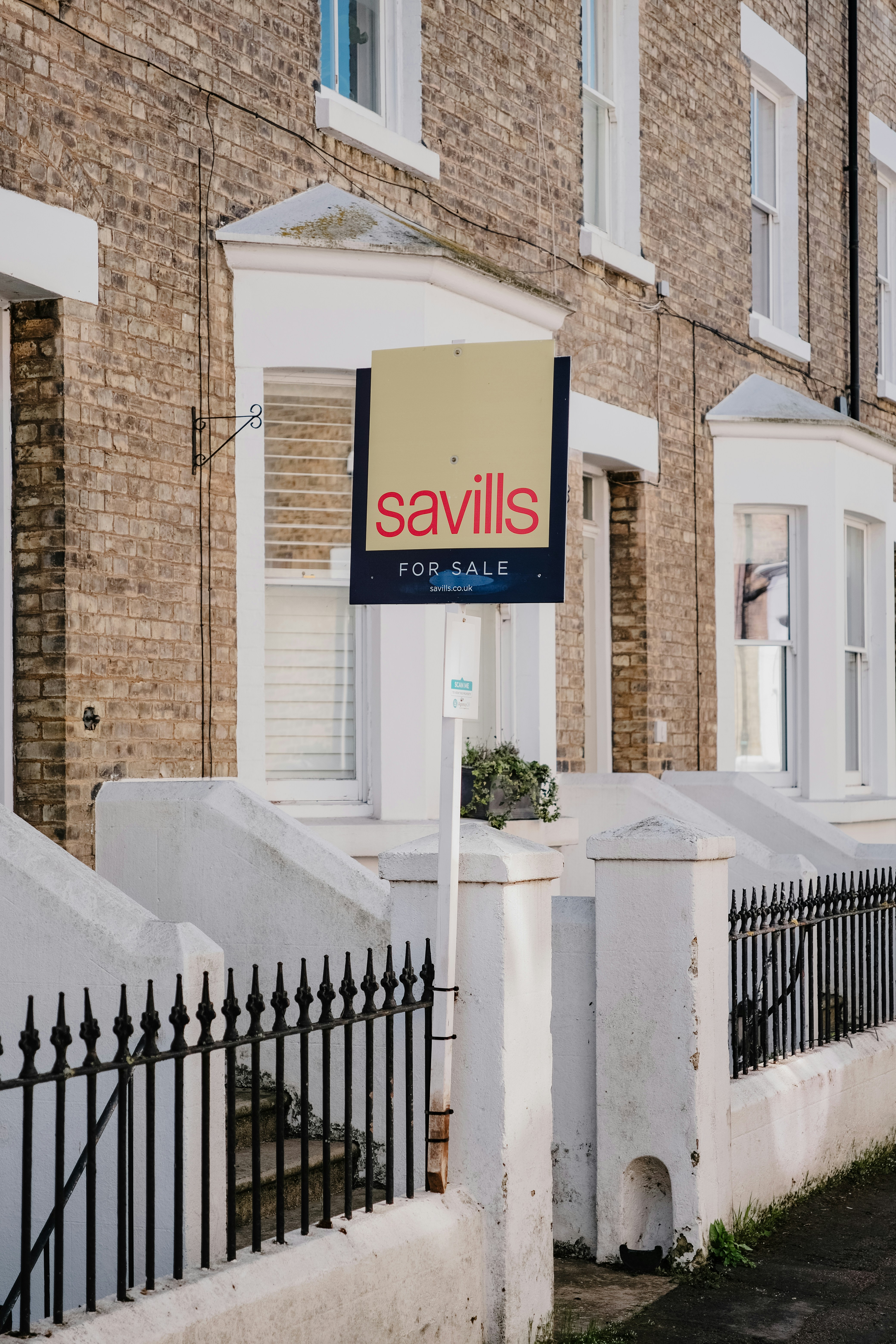
How to Actually Sell the House
Once you have legal authority, you have three main options.
The right choice depends on your circumstances: how urgently you need the funds, whether care fees are already mounting, and how much risk you're willing to accept that a sale might fall through.
Each method has trade-offs between speed, certainty, and the final sale price. Here's how they compare:
Option 1: Estate Agent
TraditionalList at full market value, wait for buyers, go through conveyancing.
Timeline
3–6 months
Sale Price
100%
Fall-through Risk
1 in 3
Best for families with time, where care fees are covered short-term.
Option 2: Property Auction
CertainMarket for 4–6 weeks, sell at auction. Exchange happens on the day, so the buyer can't pull out.
Timeline
6–8 weeks
Sale Price
85–95%
Fall-through Risk
Low
Good for unusual properties or when you want speed with market exposure.
Option 3: Cash House Buyer
FastestA company buys directly for cash. No chain, no viewings, no waiting.
Timeline
2–4 weeks
Sale Price
75–85%
Fall-through Risk
Very Low
Best when speed and certainty matter more than maximising price.
The Hidden Cost of Waiting
Here's a calculation most families don't do.
Example: £300,000 House
Cash Buyer (4 weeks)
Estate Agent (5 months)
The difference is £32,000, not the £60,000 it looks like on paper. And that's assuming the estate agent sale doesn't fall through. Run the numbers properly before deciding.
How the Council Values the Property
The local authority uses market value: what the property would reasonably sell for on the open market in its current condition.
Can you challenge it? Yes. If you think the valuation is too high, get two or three estate agent valuations and use those to make your case.
Joint ownership: If your parent owns jointly, the council must value their share specifically. If the other owner lives there and refuses to sell, the market value of your parent's share may be significantly lower. Challenge any automatic mathematical split.
Frequently Asked Questions
Do I have to sell my parents house to pay for care?
Not always, but often yes. In England, if your parent has assets over £23,250 (including property) and is moving into permanent care, they must self-fund. The house is excluded if a spouse, partner, relative over 60, incapacitated relative, or child under 18 still lives there.
Can I give away my parents house to avoid care home fees?
No. This is called deliberate deprivation of assets. If the local authority believes assets were given away to avoid care fees, they can treat your parent as still owning those assets and charge accordingly. They can investigate transactions made years earlier.
What is the 12-week property disregard?
When your parent first moves into permanent residential care, their home is automatically excluded from the means test for the first 12 weeks. This gives families time to make decisions without immediate financial pressure. After 12 weeks, the property value is included.
What is a Deferred Payment Agreement for care home fees?
A Deferred Payment Agreement (DPA) is a loan from your local council. They pay care fees on your parent's behalf and register a charge against the property. The debt accrues interest (currently 4.75% per annum) until the house is sold and the council is repaid.
Can we rent it out instead of selling?
Yes, but the rental income must go towards care costs. The property's capital value still counts in the means test.
What if my parent dies before the sale completes?
The property passes to the estate. The sale pauses until probate is granted (3–6 months), then the executor can complete the sale.
Should we get financial advice?
Yes. A financial advisor specialising in later-life planning can help with tax implications, care funding options, and structuring the sale. It's money well spent given the sums involved.
Key Takeaways
Finding the Right Care Home
If you're at the stage of thinking about funding, you're probably also searching for the right care home. CareHomeGuide lists all 14,779 CQC-registered care homes in England, with ratings, inspection reports, care types, and contact details, all free to search.
Search Care HomesCould the NHS pay for your relative's care home fees?
NHS Continuing Healthcare is free care home funding with no means test and no savings limit. Many families don't know about it. The CHC Family Guide explains exactly how to claim it.
Find out in the CHC Family Guide (£37)Have a question this guide didn't answer?
Ask in our Community Forum and get a real answer from someone who's been through it.
Share what's on your mindRelated Guides
This guide provides general information only. Care funding rules are complex and every situation is different. Always seek advice from your local authority, a qualified solicitor, and a financial advisor who specialises in later-life planning before making decisions about property or care funding.
Could the NHS pay for your relative's care home fees?
NHS Continuing Healthcare is free care home funding with no means test and no savings limit. Many families don't know about it. The CHC Family Guide explains exactly how to claim it.
Find out in the CHC Family Guide (£37)